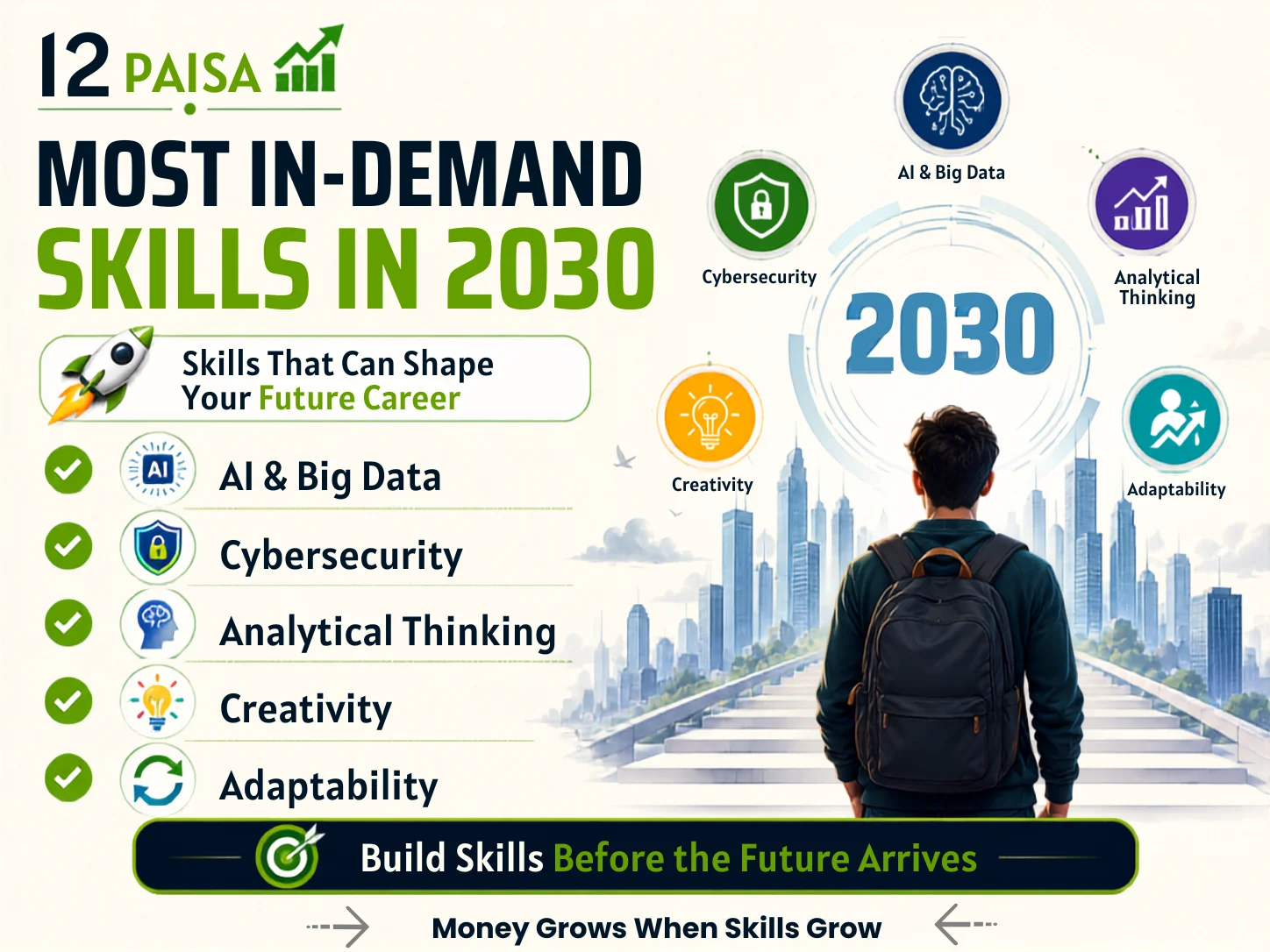
Most In-Demand Skills in the Next Decade. 2030 तक Job Market आज की तुलना में काफी अलग हो सकता है। Artificial Intelligence, Big Data, Cybersecurity, Digital Transformation, Green Transition और बदलती Business Needs के कारण Employers को नई Skills की जरूरत पड़ सकती है।
World Economic Forum की Future of Jobs Report 2025 के अनुसार 2030 तक सबसे तेजी से बढ़ने वाली Skills में AI and Big Data, Networks and Cybersecurity, Technological Literacy, Creative Thinking, Resilience/Flexibility/Agility और Curiosity/Lifelong Learning शामिल हैं। साथ ही Leadership, Analytical Thinking और Environmental Stewardship भी तेजी से बढ़ती Skills में हैं। (Source:World Economic Forum)
2030 के Job Market में कौन–सी specific Skills की demand बढ़ने की संभावना है और क्यों?
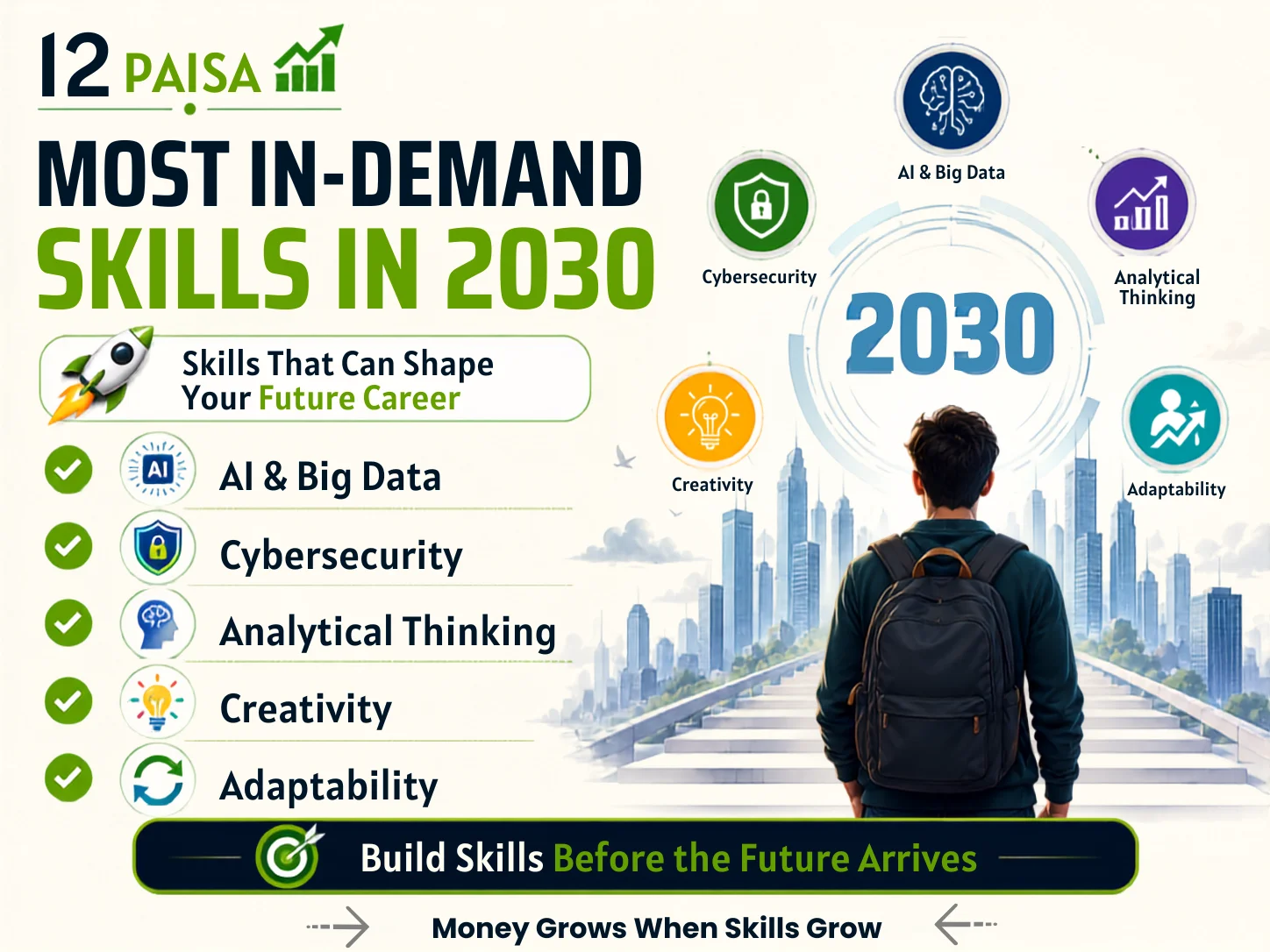
Quick Summary
- 2030 तक AI and Big Data fastest-growing skill areas में सबसे ऊपर हैं। (Source:World Economic Forum)
- Networks और Cybersecurity की importance तेजी से बढ़ने की उम्मीद है।
- Technological Literacy लगभग हर modern professional के लिए increasingly useful हो सकती है।
- Creative Thinking केवल creative industries तक सीमित नहीं रहेगी।
- Resilience, Flexibility और Agility changing workplace में important रहेंगी।
- Curiosity और Lifelong Learning नई technologies के साथ adapt करने में मदद करेंगी।
- Leadership और Social Influence की demand भी बढ़ने की संभावना है।
- Analytical Thinking employers की सबसे important core skills में बनी हुई है। (Source:World Economic Forum)
- Environmental Stewardship और sustainability-related skills भी emerging importance रखती हैं।
- India में 2030 तक Big Data Specialists, AI & Machine Learning Specialists और Security Management Specialists जैसे roles तेजी से बढ़ने वाले roles में शामिल हैं। (Source:World Economic Forum)
What Will Drive Skill Demand by 2030?
2030 की Skill Demand केवल AI की वजह से नहीं बदलेगी।
कई बड़े factors मिलकर Job Market को reshape कर सकते हैं:
1. Artificial Intelligence
AI कई business processes और job tasks को बदल रही है।
2. Digital Transformation
Businesses लगातार digital systems और technologies adopt कर रही हैं।
3. Cybersecurity
जितना ज्यादा business digital होगा, उतना ही important digital security हो सकती है।
4. Green Transition
Climate change और sustainability के कारण environmental और energy-related skills की demand बढ़ सकती है।
5. Demographic Changes
Population और workforce structure में बदलाव कुछ industries में नई opportunities create कर सकते हैं।
6. Economic & Geopolitical Changes
Global supply chains, trade और economic conditions भी skill requirements को प्रभावित कर सकते हैं।
WEF के अनुसार technological change, green transition, demographic shifts, economic uncertainty और geoeconomic fragmentation 2030 तक labour market को प्रभावित करने वाले प्रमुख trends में हैं। (Source:World Economic Forum)
Skill #1 – AI and Big Data
अगर 2030 की सबसे important emerging skill categories में से एक चुननी हो, तो:
AI and Big Data
सबसे ऊपर आती है।
WEF के employer survey में AI and Big Data को 2025–2030 period के लिए fastest-growing skill area माना गया है। (Source:World Economic Forum)
इसका मतलब केवल यह नहीं कि हर व्यक्ति को AI Engineer बनना होगा।
AI और Data का influence:
- Marketing
- Finance
- Healthcare
- Education
- Manufacturing
- Retail
- Technology
- Business Operations
जैसे कई sectors में बढ़ सकता है।
Why AI and Big Data Matter
Companies के पास लगातार अधिक data generate हो रहा है।
लेकिन:
Data होना
और
Data से useful insight निकालना
दो अलग बातें हैं।
2030 के workplace में Professionals को शायद increasingly यह समझना पड़े:
Data क्या बता रहा है?
AI इसे कैसे analyse कर सकती है?
कौन–सा decision लिया जाना चाहिए?
इसलिए:
AI + Data + Decision Making
एक valuable combination हो सकता है।
AI Skill Does Not Mean Only Coding
यह distinction इस article में important है क्योंकि हमने पहले AI Careers in India और AI Skills That Companies Want पर अलग articles बनाए हैं।
उन articles में हमने AI Career Paths और specific employer-demanded AI capabilities जैसे:
- RAG
- APIs
- AI Agents
- Automation
- AI Evaluation
को detail में cover किया है।
यहाँ हमारा focus broader है:
2030 के workplace में AI और Data literacy क्यों increasingly important हो सकती है?
एक Marketing Professional को AI Engineering सीखने की जरूरत नहीं हो सकती।
लेकिन उसे:
AI-assisted Research + Data Interpretation
की जरूरत हो सकती है।
एक Finance Professional को:
Data + AI-assisted Analysis
useful लग सकता है।
एक Teacher को:
AI + Learning Data
के applications समझने पड़ सकते हैं।
यानी AI skill का exact form profession के अनुसार बदल सकता है।
Skill #2 – Networks and Cybersecurity
2030 तक businesses के digital होने के साथ एक और major skill area हो सकता है:
Networks and Cybersecurity
WEF के अनुसार Networks and Cybersecurity 2025–2030 में fastest-growing skill areas में दूसरे स्थान पर है। (Source:World Economic Forum)
जितने ज्यादा:
- Devices
- Cloud Systems
- Applications
- Digital Payments
- Customer Data
- Connected Systems
बढ़ेंगे, उतनी ही security की importance बढ़ सकती है।
Why Cybersecurity Skills Matter
Imagine एक company के पास:
Customer Data
Employee Data
Financial Information
Cloud Systems
और
Online Applications
हैं।
अगर इनमें से कोई system compromised हो जाए, तो financial और reputational damage हो सकता है।
इसलिए Companies को ऐसे Professionals की आवश्यकता हो सकती है जो:
- Security Risks identify करें।
- Networks understand करें।
- Threats detect करें।
- Systems protect करें।
- Security policies follow करवाएं।
Cybersecurity Is Not Only for Hackers
Cybersecurity को केवल highly technical hacking के रूप में देखना incomplete होगा।
एक modern organization में basic security awareness भी important हो सकती है।
उदाहरण:
Employee
→ Phishing पहचानना
Manager
→ Data access समझना
Developer
→ Secure Application बनाना
Security Professional
→ Threats detect और respond करना
इसलिए Cybersecurity की relevance कई roles तक फैल सकती है।
Skill #3 – Technological Literacy
एक और major skill:
Technological Literacy
WEF इसे 2030 तक तेजी से बढ़ने वाली skills में शामिल करता है। (Source:World Economic Forum)
Technological Literacy का मतलब हर technology का expert होना नहीं है।
इसका मतलब है:
नई Technology को समझना, उसका basic purpose जानना और अपने work में appropriate तरीके से use करना।
Why Technological Literacy Matters
मान लीजिए किसी Employee को हर कुछ साल में नई technology अपनानी पड़ती है।
अगर वह कहता है:
“मुझे नई technology सीखने में interest नहीं है।”
तो उसका learning curve लंबा हो सकता है।
दूसरी तरफ अगर वह:
Explore → Understand → Practice → Apply
करता है,
तो नई technology अपनाना आसान हो सकता है।
Technological Literacy vs Technical Expertise
इन दोनों को अलग समझना जरूरी है।
Technological Literacy
Technology को समझना और effectively use करना।
Technical Expertise
Technology को deeply build, manage या engineer करना।
हर Employee को technical expert बनने की जरूरत नहीं।
लेकिन 2030 तक कई Professionals के लिए technological literacy increasingly useful हो सकती है।
Skill #4 – Creative Thinking
AI के बढ़ते use के बावजूद:
Creative Thinking
की importance कम होने के बजाय बढ़ने की उम्मीद है।
WEF के अनुसार Creative Thinking 2025–2030 में तेजी से बढ़ती skills में शामिल है। (Source:World Economic Forum)
यह interesting क्यों है?
क्योंकि AI content generate कर सकती है।
लेकिन workplace में अभी भी सवाल रहेगा:
क्या नया बनाया जा सकता है?
कौन–सी समस्या का नया solution हो सकता है?
Customer की जरूरत को अलग तरीके से कैसे समझा जाए?
What Does Creative Thinking Mean?
Creative Thinking केवल:
Drawing
या
Writing
नहीं है।
यह हो सकता है:
- New Ideas
- New Solutions
- New Business Models
- New Products
- Better Processes
- Different Perspectives
उदाहरण:
एक company का customer retention कम हो रहा है।
एक व्यक्ति पुराने तरीके repeat करता है।
दूसरा व्यक्ति पूछता है:
“क्या हम इस problem को बिल्कुल अलग तरीके से solve कर सकते हैं?”
यही Creative Thinking है।
Creative Thinking + AI
2030 में useful combination हो सकता है:
Human Creativity
AI Capability
AI:
- Ideas generate कर सकती है।
- Alternatives suggest कर सकती है।
- Information organise कर सकती है।
Human:
- Context समझ सकता है।
- Best idea चुन सकता है।
- Original direction तय कर सकता है।
- Risk और consequences evaluate कर सकता है।
इसलिए:
AI + Creativity
एक powerful combination हो सकता है।
Skill #5 – Resilience, Flexibility and Agility
2030 का workplace आज की तुलना में ज्यादा dynamic हो सकता है।
नई Technology आएगी।
Business Models बदलेंगे।
Job Roles evolve होंगे।
इस environment में:
Resilience + Flexibility + Agility
important हो सकती हैं।
WEF इन्हें 2025–2030 में तेजी से बढ़ने वाली skill areas में शामिल करता है। (Source:World Economic Forum)
What Is Resilience?
Resilience का मतलब है:
Difficulties या setbacks के बाद फिर से effectively recover करने की ability
Career में setbacks हो सकते हैं:
- Job Loss
- Failed Interview
- Project Failure
- Business Failure
- Technology Change
- Career Transition
Resilient व्यक्ति challenge के बाद:
Learn → Adjust → Continue
करने की कोशिश करता है।
What Is Flexibility?
Flexibility का मतलब है:
Situation बदलने पर अपनी approach बदलने की readiness
उदाहरण:
अगर कोई पुराने workflow पर काम कर रहा है और नई technology उसे replace करती है,
तो flexible professional:
नई workflow सीख सकता है।
What Is Agility?
Agility का मतलब है:
Change के response में जल्दी और effectively action लेने की ability
यह केवल Speed नहीं है।
यह:
Speed + Awareness + Correct Direction
का combination है।
Skill #6 – Curiosity and Lifelong Learning
2030 की दुनिया में एक Skill शायद बाकी Skills को सीखने में मदद करेगी:
Curiosity
WEF के अनुसार Curiosity and Lifelong Learning भी 2030 तक बढ़ती importance वाली skills में शामिल हैं। (Source:World Economic Forum)
Curiosity का मतलब:
“मैं यह कैसे काम करता है?”
पूछने की habit।
Why Curiosity Matters
Technology बदलने पर curious person पूछ सकता है:
यह क्या है?
यह क्यों आया है?
यह मेरे field को कैसे affect करेगा?
मैं इसे कैसे सीख सकता हूँ?
यही questions Learning को शुरू करते हैं।
और यही कारण है कि:
Learning Ability → Future Skill Acquisition
का foundation बन सकती है।
Lifelong Learning Is Becoming a Career Strategy
पहले career path कुछ ऐसा हो सकता था:
Education
↓
Job
↓
Retirement
अब career अधिक dynamic हो सकता है:
Learn
↓
Work
↓
Upskill
↓
Change Role
↓
Learn Again
↓
Grow
इसलिए learning को केवल Student Life की activity मानना useful नहीं होगा।
यह Working Life का भी हिस्सा हो सकती है।
India and the 2030 Skill Shift (Most In-Demand Skills in the Next Decade)
India के लिए यह discussion particularly important है।
WEF के India insights के अनुसार India में companies AI, robotics, autonomous systems और energy technologies में investment बढ़ाने की योजना बना रही हैं। India में 2030 तक Big Data Specialists, AI and Machine Learning Specialists और Security Management Specialists fastest-growing job roles में शामिल हैं। (Source:World Economic Forum)
इसके साथ India में employers skills-based hiring की ओर भी बढ़ने की expectation report की गई है; WEF के अनुसार 30% Indian companies degree requirements हटाकर skills-based hiring को talent needs address करने के effective approach के रूप में देखती हैं, global figure 19% है। (Source:World Economic Forum)
इसका एक important implication है:
Future Career Planning में Degree के साथ Skills और Demonstrable Capability पर भी ध्यान देना जरूरी हो सकता है।
Key Takeaways
- 2030 तक Job Market में Technology और Human Skills दोनों की importance बढ़ सकती है।
- AI and Big Data fastest-growing skill area है। (Source:World Economic Forum)
- Networks and Cybersecurity तेजी से बढ़ती skill categories में शामिल है।
- Technological Literacy कई professions के लिए increasingly useful हो सकती है।
- Creative Thinking AI के दौर में भी important रहने की उम्मीद है।
- Resilience, Flexibility and Agility changing workplace में valuable हो सकती हैं।
- Curiosity and Lifelong Learning future skills सीखने की foundation बन सकती हैं।
- India में Big Data, AI/ML और Security-related roles के बढ़ने की उम्मीद है। (Source:World Economic Forum)
- 2030 की career strategy केवल एक technical skill पर depend करने के बजाय Technology + Human Skills + Learning Ability का combination हो सकती है।
Conclusion
2030 की Job Market को लेकर सबसे बड़ा lesson यह है कि Future केवल Technology Skills का नहीं होगा।
हाँ, AI and Big Data, Cybersecurity और Technological Literacy तेजी से बढ़ती skills में हैं।
लेकिन इनके साथ:
Creative Thinking
Resilience
Flexibility
Curiosity
Lifelong Learning
भी equally important direction दिखा रही हैं। (Source:World Economic Forum)
इसलिए अगर आप 2030 के लिए खुद को prepare करना चाहते हैं, तो केवल यह मत सोचिए:
“मुझे कौन–सी Technology सीखनी चाहिए?”
इसके साथ यह भी पूछिए:
“Technology के साथ काम करने के लिए मुझे किस तरह का Professional बनना चाहिए?”
यहीं से 2030 की Skill Strategy शुरू होती है।
आगे हम Leadership & Social Influence, Analytical Thinking, Environmental Stewardship, Systems Thinking, Talent Management और Design & User Experience जैसी emerging skills को समझेंगे और यह देखेंगे कि इनका 2030 के workplace में क्या role हो सकता है।
2030 की तैयारी सिर्फ नई Technology सीखने से नहीं होगी — सही Skills का Combination बनाने से होगी।
अब तक आपने 2030 तक तेजी से बढ़ने वाली छह major skill areas समझीं:
AI & Big Data, Networks & Cybersecurity, Technological Literacy, Creative Thinking, Resilience/Flexibility/Agility और Curiosity/Lifelong Learning.
अब हम बाकी emerging skills पर focus करेंगे—विशेष रूप से Leadership, Talent Management, Analytical Thinking, Environmental Stewardship और Systems Thinking।
यह ranking किसी एक job की guarantee नहीं है। यह World Economic Forum Future of Jobs Report 2025 में 2025–2030 के लिए employers द्वारा expected skill growth पर आधारित है। Report में top 10 rising skills में ये सभी areas शामिल हैं। (Source:World Economic Forum Reports)
Skill #7 – Leadership and Social Influence
2030 तक Technology Skills की demand बढ़ सकती है, लेकिन इसका मतलब यह नहीं कि Human Leadership की importance कम हो जाएगी।
बल्कि Leadership and Social Influence top 10 fastest-growing skills में शामिल हैं। (Source:World Economic Forum Reports)
Leadership का मतलब केवल:
Manager बनना
नहीं है।
यह हो सकता है:
- लोगों को direction देना
- decisions लेना
- responsibility लेना
- teams को motivate करना
- change manage करना
- अलग-अलग लोगों को एक goal पर align करना
Why Leadership Will Matter in 2030
AI और Automation कई tasks को transform कर सकते हैं।
लेकिन organisations को अभी भी ऐसे लोगों की जरूरत होगी जो पूछ सकें:
“हमें किस direction में जाना चाहिए?”
मान लीजिए किसी company में नया AI system implement किया जा रहा है।
Technology को deploy करना एक हिस्सा है।
लेकिन employees को:
- नई process समझाना
- resistance manage करना
- responsibilities redefine करना
- teams को train करना
- results track करना
भी जरूरी हो सकता है।
यहीं Leadership और Social Influence useful हो सकते हैं।
Leadership Is Not Just About Authority
एक common misconception है:
“Leader वही है जिसके पास designation है।”
लेकिन practical workplace में leadership कई बार designation के बिना भी दिखाई देती है।
अगर कोई employee:
- Problem identify करता है
- Initiative लेता है
- Team को support करता है
- Solution suggest करता है
- Responsibility लेता है
तो वह leadership behaviour दिखा रहा है।
इसलिए Students भी Leadership develop कर सकते हैं।
How to Build Leadership
Leadership develop करने के लिए आप छोटे steps ले सकते हैं:
Step 1
Projects में responsibility लें।
Step 2
Team discussions में ideas रखें।
Step 3
Decision लेने की practice करें।
Step 4
दूसरों की opinions सुनें।
Step 5
Failure के बाद responsibility accept करें।
Leadership धीरे-धीरे practice से develop हो सकती है।
Skill #8 – Talent Management
एक और skill जो 2030 तक तेजी से बढ़ने वाली skills में शामिल है:
Talent Management
WEF की 2025 report में Talent Management top 10 rising skills में है। (Source:World Economic Forum Reports)
Talent Management का मतलब broadly:
सही लोगों को identify करना, develop करना, support करना और सही roles में effectively place करना।
Why Talent Management Matters
Technology बदल सकती है।
लेकिन organisations को अभी भी:
Right People + Right Skills + Right Roles
की जरूरत होगी।
विशेषकर तब जब:
- Skill gaps बढ़ रहे हों।
- New roles create हो रहे हों।
- Existing jobs transform हो रही हों।
- Employees को reskill करना पड़ रहा हो।
WEF के अनुसार skills gaps employers के लिए business transformation की सबसे बड़ी barriers में से एक हैं। (Source:World Economic Forum)
इसलिए Talent Management future workplace में important capability बन सकती है।
Talent Management Is Not Only an HR Skill
इसका connection सिर्फ HR Department से नहीं है।
एक Team Leader को भी समझना पड़ सकता है:
किस व्यक्ति की कौन–सी strength है?
किसे कौन–सी responsibility देनी चाहिए?
किसे कौन–सी Skill develop करनी चाहिए?
इसलिए Leadership + Talent Management एक useful combination हो सकता है।
Talent Management + AI
AI Recruitment और Talent Management में कई tasks support कर सकती है।
उदाहरण:
- Resume screening
- Skill matching
- Workforce analytics
- Learning recommendations
- Employee data analysis
लेकिन final decisions में:
Human Judgement + Context + Ethics
important रह सकते हैं।
इसलिए:
AI-Assisted Talent Management
future workplace का एक possible direction हो सकता है।
Skill #9 – Analytical Thinking
अब एक ऐसी Skill पर आते हैं जो 2030 की future skill होने के साथ-साथ आज भी सबसे important core skills में है:
Analytical Thinking
WEF के अनुसार 2025 में surveyed employers में लगभग 69% ने Analytical Thinking को core skill माना, जिससे यह top core skill बनी रही। (Source:World Economic Forum)
What Is Analytical Thinking?
Analytical Thinking का मतलब है:
किसी complex information या problem को छोटे parts में break करके logically analyse करना।
उदाहरण:
Sales कम हो रही है।
एक व्यक्ति कहता है:
“Market खराब है।”
एक analytical thinker पूछेगा:
- किस product की sales कम हुई?
- किस region में?
- कब से?
- Customer segment कौन-सा है?
- Price change हुआ?
- Competitor क्या कर रहे हैं?
- Marketing traffic कितना बदला?
अब problem को अलग-अलग components में analyse किया जा रहा है।
Why Analytical Thinking Matters in 2030
AI information analyse करने में मदद कर सकती है।
लेकिन business decision के लिए अभी भी यह समझना जरूरी हो सकता है:
कौन–सा Data relevant है?
कौन–सा pattern meaningful है?
कौन–सा conclusion reasonable है?
कौन–सा action लेना चाहिए?
इसलिए:
AI + Analytical Thinking
एक strong combination हो सकता है।
Analytical Thinking vs AI
AI आपको बता सकती है:
“Sales 18% कम हुई।”
लेकिन Analytical Thinking आपको पूछने के लिए प्रेरित करेगी:
“क्यों?”
और फिर:
“अब क्या करना चाहिए?”
यही difference Information और Decision-Making के बीच है।
Skill #10 – Environmental Stewardship
2030 तक एक skill area जो आज कई लोगों को traditional career skill नहीं लगता, वह है:
Environmental Stewardship
WEF इसे 2025–2030 की top 10 rising skills में शामिल करता है। (World Economic Forum Reports)
इसका connection Green Transition और Sustainability से है।
What Is Environmental Stewardship?
Simple language में:
Environment और natural resources को responsibly manage करने और sustainability को ध्यान में रखकर decisions लेने की ability।
इसमें areas हो सकते हैं:
- Sustainability
- Energy Efficiency
- Climate Awareness
- Resource Management
- Waste Reduction
- Environmental Impact
Why Will It Matter by 2030?
Businesses increasingly sustainability और climate-related challenges को consider कर रही हैं।
WEF के अनुसार green transition environmental skills की demand को बढ़ाने वाले प्रमुख factors में से है। (Source:World Economic Forum)
उदाहरण:
एक manufacturing company को केवल यह नहीं देखना पड़ सकता:
“हम कितना produce कर रहे हैं?”
बल्कि:
“हम कितनी energy use कर रहे हैं?”
“Waste कितना generate हो रहा है?”
“Environmental impact कैसे कम करें?”
यानी sustainability धीरे-धीरे business decision-making का हिस्सा बन सकती है।
Environmental Skills केवल Environmental Jobs के लिए नहीं
यह distinction important है।
आपको Environmental Scientist बनने के लिए Environmental Awareness की जरूरत नहीं है।
एक:
Engineer
Business Manager
Architect
Supply Chain Professional
Finance Professional
या
Operations Manager
को भी अपने role के context में sustainability समझनी पड़ सकती है।
Skill #11 – Systems Thinking
WEF की rising-skills list में Systems Thinking भी शामिल है। (Source:World Economic Forum Reports)
Systems Thinking का मतलब है:
किसी problem को isolated issue की तरह देखने के बजाय पूरे interconnected system के रूप में समझना।
Simple Example
मान लीजिए किसी company में delivery delays हो रही हैं।
एक simple approach:
“Delivery Team slow है।”
Systems Thinking approach:
Supplier
↓
Inventory
↓
Warehouse
↓
Packaging
↓
Transportation
↓
Delivery
अब पूरा system देखा जा रहा है।
हो सकता है problem Delivery Team में नहीं, बल्कि inventory planning में हो।
यही Systems Thinking है।
Why Systems Thinking Will Matter
2030 का workplace increasingly interconnected हो सकता है।
एक decision का impact दूसरे department पर पड़ सकता है।
उदाहरण:
AI Automation
Customer Service को faster बना सकती है।
लेकिन अगर automation गलत information देती है,
तो:
Customer Experience
↓
Brand Reputation
↓
Revenue
पर भी असर पड़ सकता है।
इसलिए professionals को isolated decisions के बजाय second-order effects भी समझने पड़ सकते हैं।
Systems Thinking + AI
AI complex information और patterns analyse करने में मदद कर सकती है।
लेकिन professional को system की:
- Goals
- Constraints
- Dependencies
- Risks
- Trade-offs
समझने होंगे।
इसलिए:
AI + Systems Thinking
complex business environments में useful combination हो सकता है।
Skill #12 – Motivation and Self-Awareness
WEF की broader skills list में Motivation and Self-Awareness भी important skill category है। (Source:World Economic Forum Reports)
Self-Awareness का मतलब है:
अपनी strengths, weaknesses, emotions, habits और behaviour को समझना।
Motivation का मतलब है:
Goals की दिशा में लगातार effort करने की ability।
Why Self-Awareness Matters
अगर आपको पता ही नहीं कि:
आपकी Strength क्या है?
आपकी Weakness क्या है?
आपको किस type का work पसंद है?
आप कहाँ improve कर सकते हैं?
तो Career Planning मुश्किल हो सकती है।
Self-Awareness आपको better decisions लेने में मदद कर सकती है।
Self-Awareness + Career Planning
एक practical exercise:
Ask Yourself:
What am I good at?
What do I enjoy learning?
What problems do I like solving?
Which skills do others value in me?
What skill gap should I work on next?
यह questions Career Direction clear करने में मदद कर सकते हैं।
Skill #13 – Empathy and Active Listening
WEF की 2030 skill outlook में Empathy and Active Listening भी broader rising skills list का हिस्सा है। (Source:World Economic Forum Reports)
यह skill खासकर:
- Teamwork
- Leadership
- Customer Service
- Management
- Education
- Healthcare
जैसे fields में useful हो सकती है।
Active Listening क्या है?
Active Listening का मतलब सिर्फ:
दूसरे व्यक्ति के बोलने तक चुप रहना
नहीं है।
इसमें:
- ध्यान से सुनना
- समझना
- Clarifying Questions पूछना
- दूसरे व्यक्ति के perspective को acknowledge करना
शामिल हो सकता है।
Why This Matters in an AI World
AI information process कर सकती है।
लेकिन workplace में कई problems technical नहीं होतीं।
कई बार problem होती है:
“Customer actually चाहता क्या है?”
“Employee परेशान क्यों है?”
“Team में disagreement क्यों हो रहा है?”
यहाँ Active Listening और Empathy valuable हो सकते हैं।
Skill #14 – Design and User Experience
Design and User Experience भी WEF की skills-on-the-rise list में शामिल है। (Source:World Economic Forum Reports)
Technology powerful हो सकती है।
लेकिन अगर User उसे समझ नहीं पाता या use नहीं कर पाता,
तो Technology की usefulness कम हो सकती है।
इसलिए:
Technology + User Experience
important combination है।
Why UX Matters
एक App technically perfect हो सकती है।
लेकिन अगर:
- Navigation confusing है।
- Buttons unclear हैं।
- Process बहुत complicated है।
- User को समझ नहीं आता क्या करना है।
तो experience खराब हो सकता है।
इसलिए future products में:
Functionality
के साथ:
Usability
और
User Experience
भी important रहेंगे।
Skill #15 – Service Orientation and Customer Service
Customer expectations लगातार evolve हो रही हैं।
AI Chatbots और Automation बढ़ने के बावजूद customer को:
- Correct Solution
- Fast Response
- Empathy
- Trust
- Good Experience
चाहिए।
WEF की skills framework में Service Orientation and Customer Service core skills में top 10 में है। (Source:World Economic Forum)
इसलिए Customer Understanding और Service Mindset future workplace में useful रह सकते हैं।
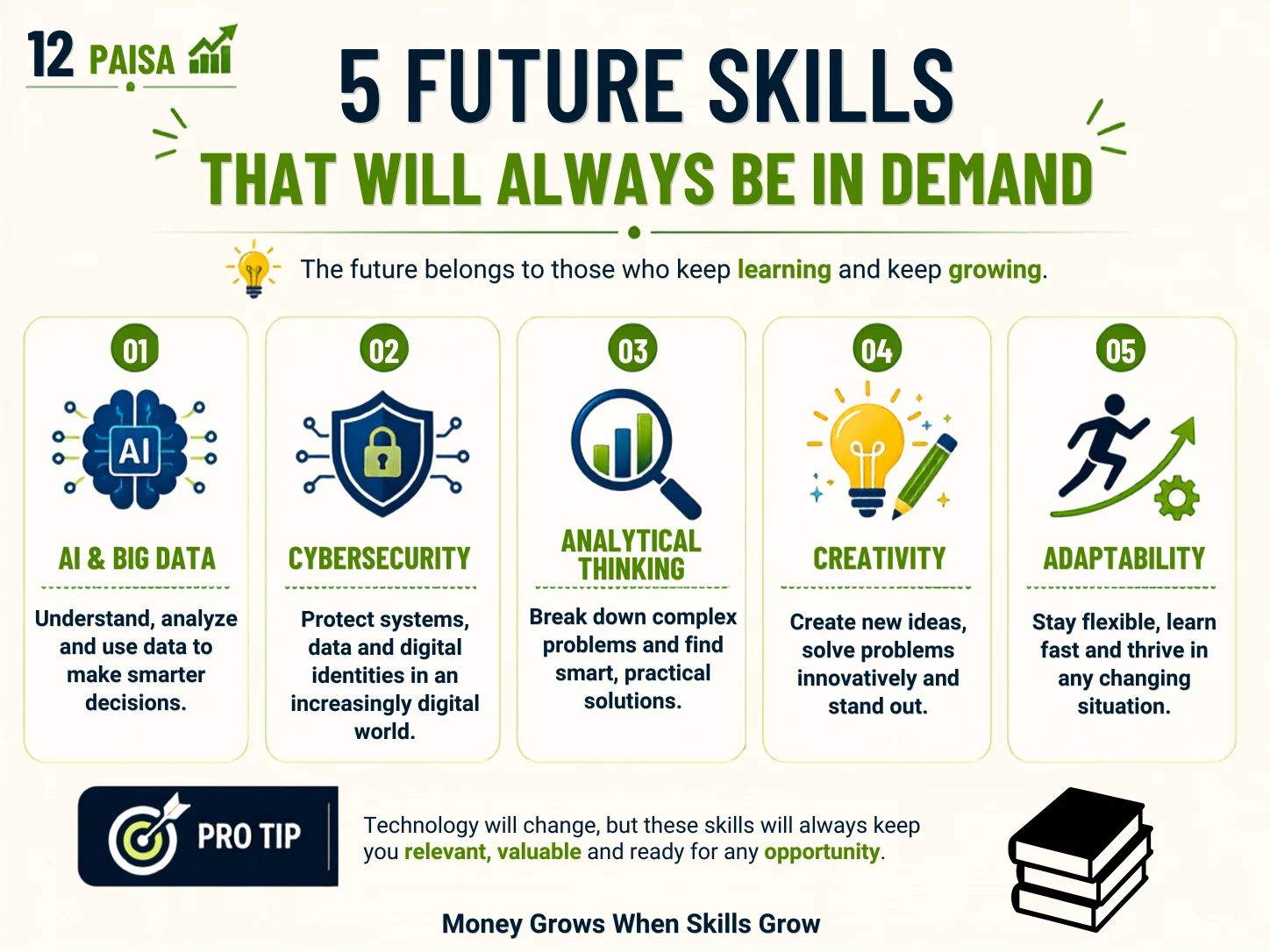
The 2030 Skill Stack
Technology Skills
- AI & Big Data
- Cybersecurity
- Technological Literacy
Thinking Skills
- Analytical Thinking
- Creative Thinking
- Systems Thinking
Human Skills
- Leadership
- Empathy
- Active Listening
- Self-Awareness
Adaptability Skills
- Resilience
- Flexibility
- Agility
- Lifelong Learning
Business & Sustainability Skills
- Talent Management
- Customer Service
- Environmental Stewardship
- Design & UX
इससे एक important pattern सामने आता है:
2030 का valuable professional केवल Technical नहीं होगा।
वह:
Technical + Analytical + Human + Adaptive
skills का combination रख सकता है।
Which Skills Are Already Core and Which Are Emerging?
यह distinction बहुत useful है।
WEF के 2025 data में Analytical Thinking, Resilience/Flexibility/Agility, Leadership and Social Influence, Creative Thinking और Technological Literacy already major core skills हैं। (Source:World Economic Forum)
दूसरी तरफ Networks & Cybersecurity और Environmental Stewardship तेजी से बढ़ रही हैं लेकिन अभी कई organisations में core skills के रूप में उतनी widespread नहीं हैं। (Source:World Economic Forum)
इसका मतलब:
Existing Core Skill
आज भी important + आगे भी important
Emerging Skill
आज comparatively less universal + future में importance बढ़ सकती है।
यह distinction career planning में useful हो सकती है।
What Should Students Learn for 2030? Most In-Demand Skills in the Next Decade
अगर कोई Student आज 2030 की तैयारी करना चाहता है, तो उसे 15 skills की list याद करने की जरूरत नहीं।
एक balanced foundation बनाएं:
Foundation
Communication
Analytical Thinking
Problem Solving
↓
Technology
AI Literacy
Digital Skills
Data Basics
↓
Human Advantage
Creativity
Leadership
Empathy
↓
Future Readiness
Adaptability
Curiosity
Continuous Learning
यह approach ज्यादा practical हो सकती है।
What Should Working Professionals Learn?
Professionals के लिए:
Step 1
अपने Industry की emerging technologies identify करें।
Step 2
देखें कि आपके Role पर उनका impact क्या हो सकता है।
Step 3
एक relevant Technology Skill चुनें।
Step 4
एक Human Skill strengthen करें।
Step 5
दोनों को अपने current work में apply करें।
उदाहरण:
Finance + AI + Analytical Thinking
या
Marketing + Data + Creativity
या
Education + AI + Communication
Don’t Try to Learn Everything (Most In-Demand Skills in the Next Decade)
2030 की skills list देखकर एक common mistake हो सकती है:
“मुझे ये सारी skills सीखनी होंगी।”
नहीं।
आपको हर Skill में expert बनने की जरूरत नहीं।
आपको अपना:
Skill Stack
बनाना है।
उदाहरण:
Data Professional
AI + Data + Analytical Thinking
Manager
Leadership + Communication + AI Literacy
Designer
UX + Creativity + AI
Teacher
Education + AI + Communication + Empathy
Entrepreneur
AI + Business + Systems Thinking + Leadership
यही combinations अधिक practical हो सकते हैं।
Key Takeaways
- Leadership and Social Influence 2030 तक तेजी से बढ़ने वाली skills में शामिल हैं। (Source:World Economic Forum Reports)
- Talent Management बदलते workforce और skill gaps के कारण increasingly relevant हो सकती है।
- Analytical Thinking आज भी employers की top core skills में है और आगे भी important रहने की उम्मीद है। (Source:World Economic Forum)
- Environmental Stewardship green transition के कारण तेजी से relevant हो रही है। (Source:World Economic Forum)
- Systems Thinking complex और interconnected problems को समझने में मदद कर सकती है।
- Motivation और Self-Awareness personal effectiveness को support कर सकती हैं।
- Empathy और Active Listening Human-Centric Work में valuable रह सकती हैं।
- Design and User Experience technology products को more usable बनाने में important हैं।
- Customer Service और Service Orientation future workplace में भी relevant रह सकते हैं।
- 2030 का strong Skill Stack केवल Technical Skills से नहीं बनेगा।
- Technology + Thinking + Human Skills + Adaptability का combination ज्यादा practical approach हो सकता है।
- Students और Professionals को सभी skills सीखने के बजाय अपने Career के अनुसार relevant Skill Stack बनाना चाहिए।
Conclusion
2030 की Skills को देखकर एक बात बहुत clear दिखाई देती है:
Future सिर्फ AI का नहीं है।
AI और Big Data तेजी से बढ़ रहे हैं।
Cybersecurity की जरूरत बढ़ रही है।
Technological Literacy important हो रही है।
लेकिन साथ ही:
Leadership
Analytical Thinking
Creative Thinking
Systems Thinking
Empathy
Adaptability
और
Learning Ability
भी important बनी हुई हैं। (Source:World Economic Forum)
यानी Future में शायद सबसे valuable Professional वह नहीं होगा जिसके पास सिर्फ सबसे ज्यादा technical knowledge हो।
बल्कि वह हो सकता है जो:
Technology को समझता हो, Problems को analyse कर सकता हो, लोगों के साथ काम कर सकता हो और बदलती परिस्थितियों में सीखकर adapt कर सकता हो।
और यही हमें एक important formula तक ले जाता है:
Technology + Human Skills + Analytical Thinking + Adaptability
यह 2030 के लिए एक practical foundation हो सकती है।
अब तक आपने AI & Big Data, Cybersecurity, Technological Literacy, Creative Thinking, Resilience, Flexibility, Agility और Lifelong Learning को समझा।
और Leadership, Talent Management, Analytical Thinking, Environmental Stewardship, Systems Thinking, Self-Awareness, Empathy, UX और Customer Service जैसी skills को cover किया।
अब सबसे important सवाल है:
अगर आप आज से 2030 के लिए prepare करना चाहते हैं, तो इन Skills को practically कैसे सीखें और अपनी Career Strategy में कैसे use करें?
Don’t Learn Skills. Build a Skill Stack.
2030 की पूरी list देखकर सबसे बड़ी गलती यह होगी कि आप सोचें:
“मुझे ये सारी Skills सीखनी हैं।”
ऐसा करना जरूरी नहीं है।
आपको हर Skill का expert बनने की जरूरत नहीं।
आपको अपनी Career Direction के according एक:
Relevant Skill Stack
बनाना है।
Skill Stack का मतलब है ऐसी Skills का combination जो मिलकर आपकी professional capability को stronger बनाता है।
उदाहरण:
AI + Data + Analytical Thinking
या:
Marketing + AI + Creativity + Communication
या:
Education + AI + Communication + Empathy
The 2030 Skill Stack Formula
एक practical framework:
1. Core Skill
आपके profession की main expertise
↓
2. Technology Skill
AI, Data, Digital Tools या relevant technology
↓
3. Thinking Skill
Analytical Thinking, Problem Solving या Systems Thinking
↓
4. Human Skill
Communication, Leadership, Creativity या Empathy
↓
5. Adaptability Skill
Learning, Curiosity, Flexibility और Resilience
यह combination आपको किसी एक Technology पर overly dependent होने से बचा सकता है।
Skill Stack Example #1 – Student
मान लीजिए एक Student को Business में interest है।
उसका Skill Stack हो सकता है:
Business Basics
AI Literacy
Data Analysis
Communication
Analytical Thinking
यह Student future में:
- Business Analyst
- Marketing
- Product
- Operations
- Entrepreneurship
जैसे कई directions explore कर सकता है।
Skill Stack Example #2 – Teacher
एक Teacher के लिए:
Teaching
AI Literacy
Digital Tools
Communication
Learning Design
एक useful combination हो सकता है।
यहाँ Teacher को AI Engineer बनने की जरूरत नहीं।
लेकिन AI और Digital Technology को education में effectively apply करना उसकी professional capability को expand कर सकता है।
Skill Stack Example #3 – Marketing Professional
एक Marketing Professional के लिए:
Marketing
AI
Data Analysis
Creative Thinking
Communication
एक strong combination हो सकता है।
AI research और content workflow में मदद कर सकती है।
Data performance समझने में मदद कर सकता है।
Creativity campaigns में useful हो सकती है।
Communication ideas को clients और teams तक पहुंचाने में मदद कर सकती है।
Skill Stack Example #4 – Finance Professional
Finance में:
Finance Knowledge
AI
Data Analysis
Analytical Thinking
Communication
एक valuable combination हो सकता है।
AI और Data analysis productivity improve कर सकते हैं।
लेकिन financial decisions में judgement और communication भी important रहेंगे।
Skill Stack Example #5 – Technology Professional
Technical roles में:
Programming
AI
Data
Cybersecurity Awareness
Problem Solving
useful combination हो सकता है।
Technical professionals के लिए 2030 तक AI, Big Data और Cybersecurity जैसी areas की relevance बढ़ने की संभावना है। (Source:weforum.org)
Which Skills Should You Learn First?
अगर आप Beginner हैं, तो priority रखना जरूरी है।
एक practical order:
Stage 1 – Foundation
Communication
Analytical Thinking
Problem Solving
Stage 2 – Technology
Digital Literacy
AI Literacy
Data Basics
Stage 3 – Human Advantage
Creative Thinking
Leadership
Empathy
Stage 4 – Future Readiness
Adaptability
Curiosity
Continuous Learning
Stage 5 – Specialization
अपने Career के अनुसार:
Cybersecurity
या
Data
या
AI
या
UX
या
Sustainability
या कोई अन्य domain-specific skill।
यह approach आपको एक साथ बहुत सारी चीजें सीखने की बजाय step-by-step आगे बढ़ने में मदद कर सकती है।
Students के लिए 2030 Roadmap
अगर आप Student हैं, तो अगले कुछ वर्षों को इस तरह approach कर सकते हैं।
Phase 1 – Explore
अलग-अलग domains के बारे में जानें।
Technology
Business
Design
Finance
Science
Education
और देखें कि आपको किस type के problems solve करने में interest है।
Phase 2 – Build Foundation
इन skills पर focus करें:
- Communication
- English
- Analytical Thinking
- Problem Solving
- Digital Literacy
ये आपकी बाकी skills के लिए foundation बन सकती हैं।
Phase 3 – Add Technology
अब अपने interest के अनुसार:
AI
Data
Coding
Cybersecurity
Digital Marketing
UX
जैसी skills में से relevant direction चुनें।
Phase 4 – Build Projects
सिर्फ Courses मत करें।
Projects बनाएं।
उदाहरण:
Data Student → Data Analysis Project
Coding Student → Application
Marketing Student → Campaign Analysis
Design Student → UX Case Study
AI Student → AI Application
Project छोटा हो सकता है।
लेकिन उसे पूरा करें और document करें।
Phase 5 – Build Proof of Work
अपने Projects को:
- Portfolio
- GitHub
- Case Studies
- Presentations
- Personal Website
जैसे formats में showcase किया जा सकता है।
यह Employers को केवल यह बताने के बजाय कि:
“I know this Skill.”
यह दिखा सकता है:
“I have used this Skill to create something.”
Working Professionals के लिए 2030 Roadmap
अगर आप already working हैं, तो आपको शुरुआत से सब कुछ सीखने की जरूरत नहीं।
आपके पास एक बड़ी advantage है:
Domain Experience
इसे Technology के साथ combine करें।
Step 1 – Audit Your Current Job
अपने daily work को देखें।
पूछें:
कौन–से tasks repetitive हैं?
कहाँ Data इस्तेमाल होता है?
कहाँ AI useful हो सकती है?
कौन–से tasks Human Judgement मांगते हैं?
Step 2 – Identify the Skill Gap
अब देखें:
मेरे Industry में क्या बदल रहा है?
मेरे Role में कौन–सी Technology आ रही है?
मेरे colleagues कौन–सी new capabilities सीख रहे हैं?
Job descriptions में कौन–सी skills repeatedly दिखाई दे रही हैं?
Step 3 – Choose One Technology Skill
एक साथ:
AI + Cybersecurity + Data + Cloud + Coding + UX
शुरू करने की जरूरत नहीं।
एक relevant Technology Skill चुनें।
Step 4 – Combine It With Your Existing Skill
उदाहरण:
HR + AI
Finance + Data
Marketing + AI
Teacher + Digital Tools
Sales + Analytics
यही आपका differentiated Skill Stack बन सकता है।
Step 5 – Create Measurable Value
अपने काम में देखें कि नई Skill से:
- Time बचा?
- Quality improve हुई?
- Errors कम हुए?
- Process faster हुआ?
- Customer experience improve हुआ?
- Better decision मिला?
अगर possible हो तो result measure करें।
यही आपकी Proof of Value बन सकती है।
Skills vs Jobs: A Better Way to Think About 2030
2030 के बारे में सोचते समय केवल Job Titles की list देखना useful नहीं है।
क्योंकि Job Titles बदल सकते हैं।
एक बेहतर approach है:
Tasks → Skills → Roles
उदाहरण:
आज:
Data Entry
कल:
Data Validation + AI-assisted Data Operations
फिर:
Data Quality + Analytics
यानी Job बदल सकती है, लेकिन underlying Skill Evolution को समझना ज्यादा useful हो सकता है।
AI Will Change Tasks, Not Just Jobs
यह distinction बहुत important है।
कई Jobs में कुछ tasks automate हो सकते हैं।
लेकिन पूरी Job necessarily disappear हो, यह अलग question है।
उदाहरण:
एक Marketing Professional का:
Data Collection
task AI automate कर सकती है।
लेकिन:
Strategy
Creativity
Customer Understanding
Communication
जैसे tasks Human involvement मांग सकते हैं।
इसीलिए 2030 के लिए:
Task-level thinking
Career Planning का useful हिस्सा हो सकता है।
The 70/20/10 Learning Approach
एक simple learning model use किया जा सकता है:
70% – Practical Application
अपने actual work या projects में Skill use करें।
20% – Feedback
Mentors, colleagues या community से feedback लें।
10% – Formal Learning
Courses, books, certifications आदि करें।
यह कोई universal rule नहीं है।
लेकिन यह आपको केवल theory में फंसने से बचा सकता है।
Build Skills Through Projects
मान लीजिए आप:
AI + Data
सीख रहे हैं।
सिर्फ course complete करने की बजाय:
Project
AI-Assisted Sales Analysis
बनाएं।
फिर document करें:
Problem
↓
Data
↓
Approach
↓
AI Used
↓
Analysis
↓
Result
↓
Limitations
अब आपकी Skill केवल certificate नहीं रही।
वह:
Proof of Work
बन गई।
The 30-Day 2030 Skills Challenge
अगर आप आज से शुरुआत करना चाहते हैं, तो अगले 30 days को चार stages में divide करें।
Days 1–7: Discover
अपनी:
- Strengths
- Interests
- Current Skills
- Skill Gaps
identify करें।
एक Career Direction चुनें।
Days 8–14: Learn
एक relevant Technology Skill चुनें।
उदाहरण:
AI
या
Data
या
Cybersecurity
या
Digital Tools
और daily learning करें।
Days 15–21: Combine
Technology Skill को अपनी Core Skill के साथ combine करें।
उदाहरण:
AI + Marketing
Data + Finance
AI + Education
UX + Technology
Days 22–30: Build
एक छोटा Project बनाएं।
उसमें:
Problem
Solution
Skill Used
Result
document करें।
और उसे portfolio में रखें।
Common Mistake #1 – Future Skills की Endless List
Internet पर आपको:
50 Future Skills
100 Future Skills
जैसी बहुत सारी lists मिलेंगी।
इन lists को देखकर overwhelmed मत हों।
एक व्यक्ति को:
हर Skill नहीं, Relevant Skills चाहिए।
Common Mistake #2 – केवल AI सीखना
AI important है।
लेकिन:
AI + No Domain Skill
की तुलना में:
AI + Domain Skill
अक्सर ज्यादा practical combination हो सकता है।
Common Mistake #3 – केवल Certificates
Certificate यह दिखा सकता है कि आपने Course complete किया।
लेकिन Project यह दिखा सकता है कि आपने Skill apply की।
इसलिए:
Certificate + Project + Proof of Work
एक stronger combination हो सकता है।
Common Mistake #4 – Human Skills Ignore करना
2030 की Skill list में AI और Big Data देखकर केवल Technology पर focus करना mistake हो सकती है।
WEF की list में Creative Thinking, Leadership, Analytical Thinking, Resilience और Curiosity जैसी Human/Adaptive capabilities भी prominent हैं। (Source:weforum.org)
इसलिए:
Technology + Human Skills
दोनों develop करें।
Common Mistake #5 – Future की Exact Prediction करना
कोई भी report 2030 की Job Market को 100% predict नहीं कर सकती।
WEF data employer expectations और projected trends पर आधारित है।
इसलिए इसे:
Roadmap
की तरह देखें,
Guarantee
की तरह नहीं।
Common Mistake #6 – Learning Without Application
आप 10 Courses कर सकते हैं।
लेकिन अगर आपने:
कुछ बनाया नहीं
कुछ solve नहीं किया
कुछ apply नहीं किया
तो practical capability develop होने की speed कम हो सकती है।
इसलिए:
Learn → Apply → Build → Improve
2030 Career Readiness Checklist
अपने आप से पूछिए:
Foundation
- क्या मैं clearly communicate कर सकता हूँ?
- क्या मैं problems analyse कर सकता हूँ?
- क्या मैं logically think कर सकता हूँ?
Technology
- क्या मुझे AI की basic understanding है?
- क्या मैं relevant digital tools use कर सकता हूँ?
- क्या मुझे basic data concepts समझ आते हैं?
Human Skills
- क्या मैं creatively सोच सकता हूँ?
- क्या मैं team में काम कर सकता हूँ?
- क्या मैं leadership responsibility ले सकता हूँ?
- क्या मैं दूसरों को समझ सकता हूँ?
Adaptability
- क्या मैं नई Technology सीखने के लिए तैयार हूँ?
- क्या मैं setbacks से recover कर सकता हूँ?
- क्या मैं लगातार सीखता हूँ?
Career
- क्या मेरी एक Core Skill है?
- क्या मेरी Technology Skill उससे connected है?
- क्या मेरे पास practical Projects हैं?
- क्या मैं अपना work demonstrate कर सकता हूँ?
अगर इनमें कई answers No हैं, तो panic करने की जरूरत नहीं।
वही आपकी next learning priorities हैं।
What Does a 2030-Ready Professional Look Like?
एक 2030-ready professional जरूरी नहीं कि:
हर Technology का Expert हो।
बल्कि वह:
Thinks
Analytically और Creatively
Learns
नई Skills continuously
Adapts
Changing environments में।
Uses Technology
AI और Digital Tools के साथ।
Works With People
Communication, Empathy और Leadership के साथ।
Creates Value
Problems को solve करके।
यानी:
Technical + Human + Adaptive
The 2030 Career Formula
पूरे Article को एक formula में समझें:
Core Skill + Technology + Thinking + Human Skills + Adaptability
उदाहरण:
Finance + AI + Analytics + Communication + Learning
या:
Marketing + AI + Creativity + Data + Adaptability
या:
Education + AI + Communication + Empathy + Digital Skills
यह exact formula हर व्यक्ति के लिए same नहीं होगा।
आपका Skill Stack आपके:
Career Goal + Industry + Interest + Strengths
पर depend करेगा।
2030 and Income Growth
Skill Development और Income के बीच direct guarantee नहीं है।
लेकिन higher-value skills:
Better Work
↓
Greater Value Creation
↓
More Opportunities
↓
Higher Income Potential
को support कर सकती हैं।
इसलिए Career Skills को केवल Job पाने के लिए नहीं, बल्कि long-term earning capability develop करने के लिए भी देखा जा सकता है।
और यही 12Paisa के larger philosophy से connect होता है:
Skill Growth Is a Long-Term Investment
Investment केवल:
Stocks
Mutual Funds
Gold
तक सीमित नहीं है।
आपका:
Knowledge
Skills
Experience
Learning Ability
भी आपके Career Capital का हिस्सा हो सकता है।
जब आप किसी valuable Skill में invest करते हैं, तो उसका benefit कई years तक आपके work में दिखाई दे सकता है।
इसलिए:
Invest in Skills Before You Need Them.
Key Takeaways
- 2030 के लिए हर Skill सीखना जरूरी नहीं; relevant Skill Stack बनाना ज्यादा practical है।
- Core Skill को Technology, Thinking और Human Skills के साथ combine किया जा सकता है।
- Students को Foundation → Technology → Human Skills → Specialization की direction follow करनी चाहिए।
- Working Professionals को अपनी existing domain expertise को emerging technology के साथ combine करना चाहिए।
- Job Titles से ज्यादा Tasks → Skills → Roles approach useful हो सकती है।
- AI कई jobs के individual tasks को transform कर सकती है; इसलिए task-level skill planning important हो सकती है।
- Projects और Proof of Work practical capability demonstrate करने में मदद करते हैं।
- Certificates useful हो सकते हैं, लेकिन उन्हें Projects और practical application के साथ combine करना बेहतर है।
- Technology Skills के साथ Human Skills को ignore नहीं करना चाहिए।
- 2030 की skill projections को trends और employer expectations की तरह देखना चाहिए, guarantee की तरह नहीं।
- Learn → Apply → Build → Improve एक practical skill-development cycle है।
- Core Skill + Technology + Thinking + Human Skills + Adaptability एक useful 2030 Career Framework हो सकता है।
- Skill Development long-term Career Capital और Income Potential को support कर सकती है।
Final Conclusion
2030 बहुत दूर नहीं है।
आज School या College में पढ़ने वाला Student 2030 में अपने Career के शुरुआती या महत्वपूर्ण stage में हो सकता है।
आज का Working Professional भी अगले कुछ वर्षों में:
नई Technology
नई Responsibilities
नई Job Roles
और
नई Skill Requirements
का सामना कर सकता है।
इसलिए 2030 की तैयारी का मतलब यह नहीं है कि आपको आज से किसी एक Future Job को predict करके उसी पर depend करना है।
Better approach है:
Build a Skill Stack That Can Adapt.
अपनी Core Skill मजबूत करें।
उसमें relevant Technology जोड़ें।
Analytical और Creative Thinking develop करें।
Communication और Human Skills improve करें।
नई चीजें सीखने की habit बनाएं।
और सबसे important:
अपनी Skills को Real Problems पर Apply करें।
क्योंकि केवल Skill जानना और Skill से Value Create करना अलग चीजें हैं।
2030 के Job Market में AI और Big Data की importance बढ़ सकती है।
Cybersecurity और Technological Literacy की demand बढ़ सकती है।
Creative Thinking, Leadership, Analytical Thinking और Adaptability भी important रह सकती हैं।
और Curiosity तथा Lifelong Learning आपको इन सभी नई Skills को समय के साथ सीखने में मदद कर सकती हैं। (weforum.org)
इसलिए आज से एक simple formula याद रखें:
Learn → Apply → Build → Adapt
और अपने Career को किसी एक Job Title से नहीं,
बल्कि अपनी ability to learn and create value से मजबूत बनाइए।
क्योंकि Future का सबसे valuable professional जरूरी नहीं कि वह हो जो आज की हर Technology जानता है।
वह व्यक्ति ज्यादा prepared हो सकता है जो:
नई Technology सीख सकता है।
Complex Problems समझ सकता है।
Data और Information को analyse कर सकता है।
Creatively सोच सकता है।
लोगों के साथ effectively काम कर सकता है।
और जरूरत पड़ने पर:
अपनी Skills को फिर से upgrade कर सकता है।
यही real Future Readiness है।
और 12Paisa की philosophy इसे एक simple line में summarize करती है:
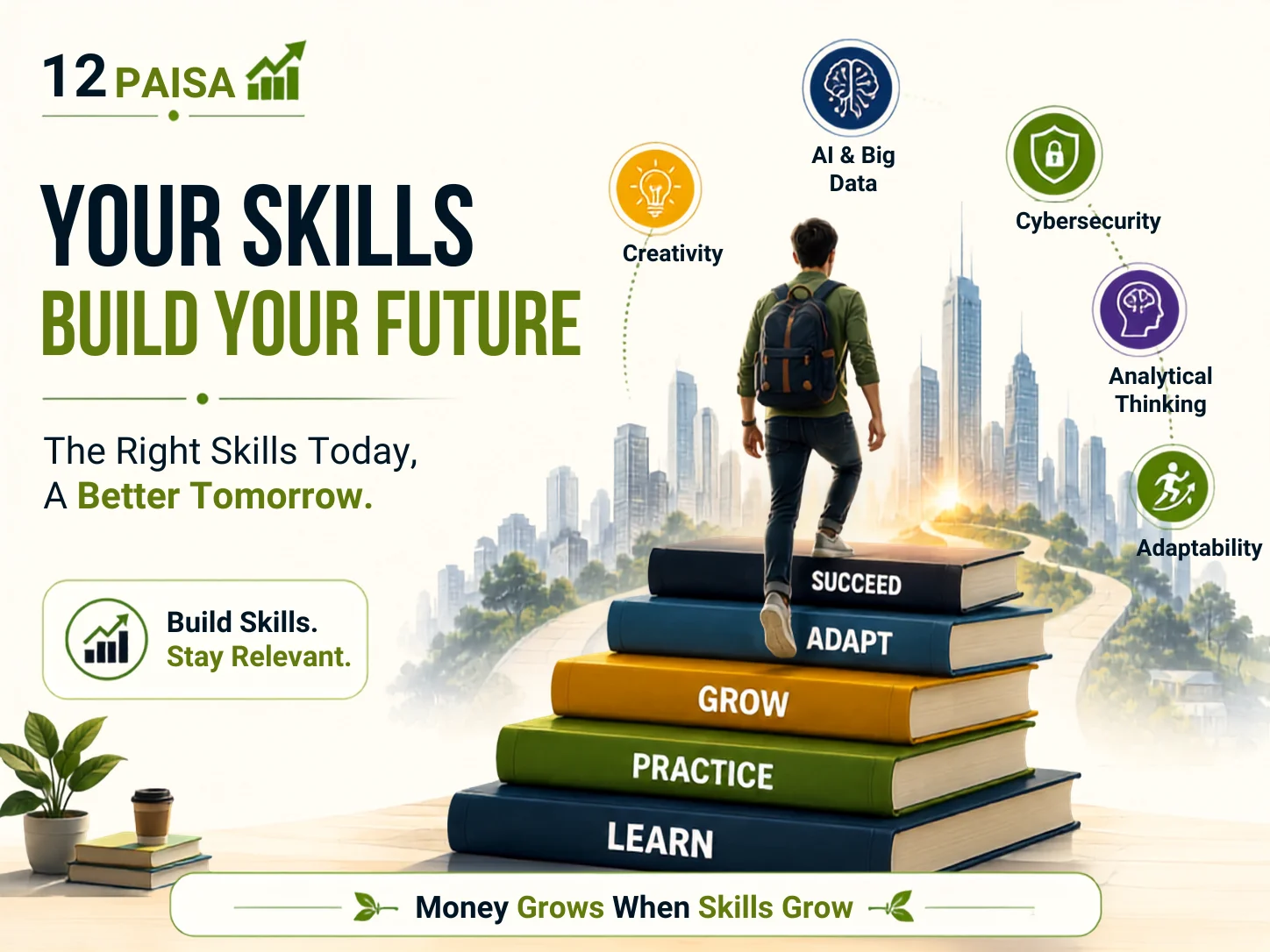
Money Grows When Skills Grow.
Frequently Asked Questions (FAQs)
1. What will be the most in-demand skills in 2030?
WEF Future of Jobs Report 2025 के अनुसार AI and Big Data, Networks and Cybersecurity, Technological Literacy, Creative Thinking, Resilience/Flexibility/Agility और Curiosity/Lifelong Learning fastest-growing skill areas में हैं। (Source:weforum.org)
2. Will AI skills be enough for a career in 2030?
केवल AI Skill पर depend करना जरूरी नहीं कि best strategy हो।
एक stronger approach हो सकती है:
AI + Core Skill + Problem Solving + Communication
3. Should students start learning AI now?
AI Literacy और relevant AI applications सीखना useful हो सकता है।
लेकिन students को AI के साथ:
Communication, Analytical Thinking, Problem Solving और Core Domain Skills
भी develop करनी चाहिए।
4. Which is more important: AI or Human Skills?
यह either-or choice नहीं है।
2030 के लिए:
AI + Human Skills
एक stronger combination हो सकता है।
5. Will cybersecurity be in demand in 2030?
Current WEF employer projections के अनुसार Networks and Cybersecurity 2025–2030 में fastest-growing skill areas में शामिल है। (Source:weforum.org)
लेकिन exact job demand country, industry और technology developments के अनुसार बदल सकती है।
6. Is analytical thinking still important in the AI era?
हाँ।
WEF के 2025 employer data में Analytical Thinking top core skills में बनी हुई है। (Source:www3.weforum.org)
AI information analyse करने में help कर सकती है, लेकिन information की interpretation और decision-making भी important है।
7. What should working professionals learn for 2030?
पहले अपनी Industry और Role में आने वाले changes identify करें।
फिर:
Existing Expertise + Relevant Technology + Human Skill
का combination बनाएं।
8. Do I need to learn all the skills listed in this article?
नहीं।
आपको अपनी Career Direction के अनुसार relevant Skill Stack बनाना चाहिए।
9. How can I prove my future skills to employers?
Projects, Case Studies, Portfolio, GitHub, presentations और measurable work outcomes के माध्यम से अपनी capabilities demonstrate की जा सकती हैं।
10. Are these 2030 skill predictions guaranteed?
नहीं। यह employer expectations और projected trends पर आधारित outlook है। Actual demand Technology, Economy, Industry और Labour Market changes के साथ बदल सकती है। (Source:weforum.org)