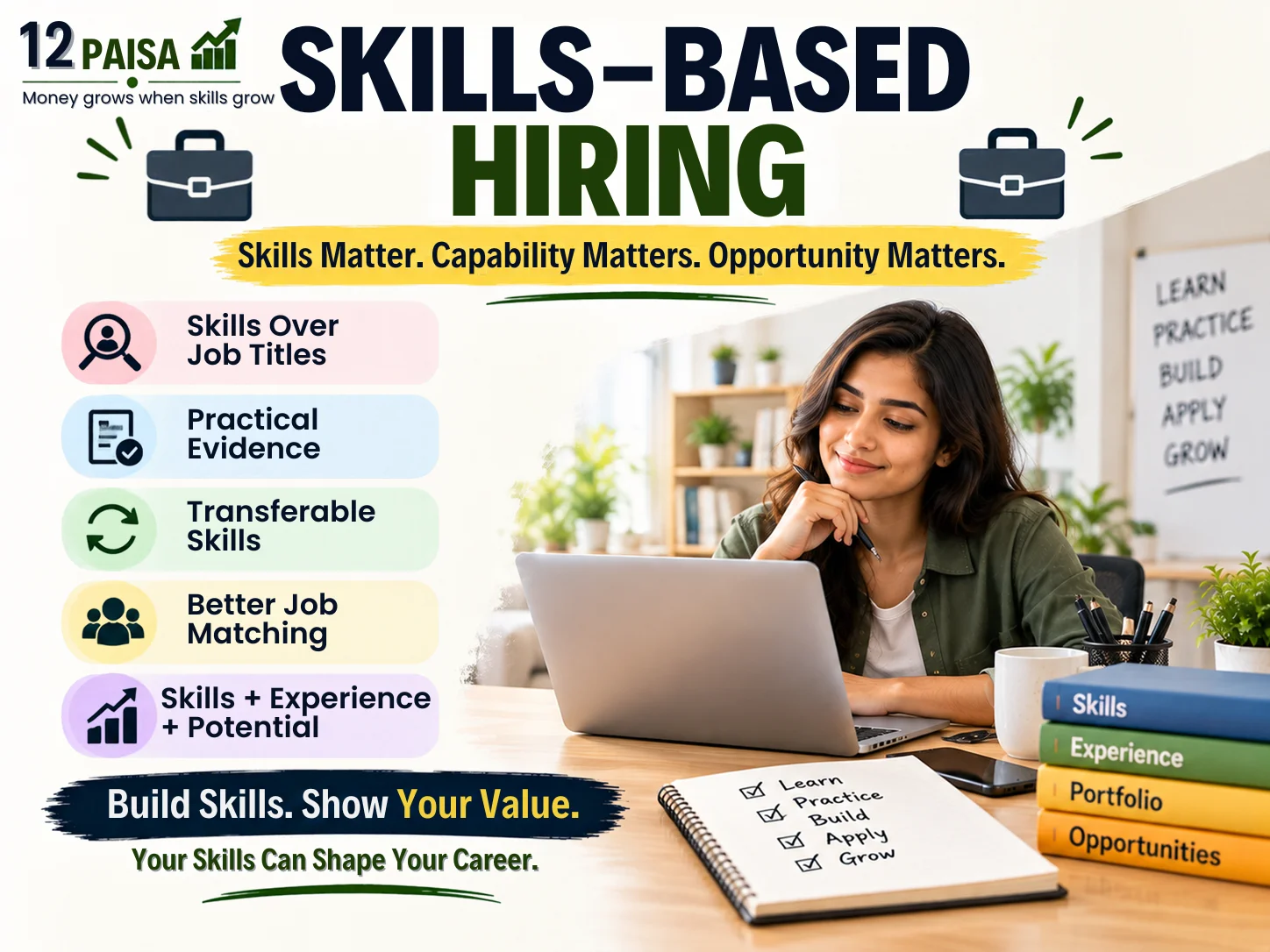
Skills-based hiring explained एक recruitment approach है जिसमें employers candidate की degree या job title के साथ-साथ उसकी actual skills, practical abilities और role-specific competencies को evaluate करते हैं। इसका उद्देश्य ऐसे candidates identify करना है जो किसी particular job के लिए required work effectively perform कर सकें, चाहे उनका traditional educational background उस role से पूरी तरह match करता हो या नहीं।
Hiring का traditional तरीका अक्सर degree, qualification, experience और job title के आसपास घूमता रहा है। लेकिन जैसे-जैसे jobs technology और business needs के साथ बदल रही हैं, employers का focus धीरे-धीरे इस सवाल की तरफ बढ़ रहा है:
“Candidate के पास कौन–सी skills हैं और वह practically क्या कर सकता है?”
इसी approach को broadly Skills-Based Hiring कहा जाता है।
इस model में candidate को सिर्फ उसकी educational qualification से judge करने के बजाय उसकी actual capabilities, practical knowledge, transferable skills और role-specific abilities को भी importance दी जाती है।
Quick Summary
- Skills-based hiring में candidate की actual abilities को hiring decision में importance दी जाती है।
- इसमें degree के साथ practical skills और competencies भी evaluate की जा सकती हैं।
- Employers job requirements को specific skills में define कर सकते हैं।
- यह approach traditional qualification-based hiring से अलग हो सकती है।
- Technical और non-technical दोनों skills important हो सकती हैं।
- Transferable skills candidates को अलग-अलग roles में move करने में मदद कर सकती हैं।
- Students और career switchers के लिए skills-based hiring नए opportunities create कर सकती है।
- Resume के अलावा portfolio, assessments, projects और interviews से skills demonstrate की जा सकती हैं।
What Is Skills-Based Hiring?
Skills-based hiring का simple मतलब है:
Hiring candidates based on the skills they can demonstrate for a particular role.
Traditional hiring में employer पूछ सकता है:
“आपने क्या पढ़ा है?”
Skills-based approach में focus बढ़ सकता है:
“आप क्या कर सकते हैं?”
उदाहरण के लिए, एक company को:
Data Analysis की जरूरत है।
Traditional filter:
“Candidate के पास specific degree होनी चाहिए।”
Skills-based approach:
“क्या candidate data analyze कर सकता है, insights निकाल सकता है और उन्हें clearly explain कर सकता है?”
यह difference hiring process को ज्यादा capability-focused बना सकता है।
Skills-Based Hiring vs Traditional Hiring
| Traditional Hiring | Skills-Based Hiring |
| Degree-focused | Skill-focused |
| Job title important | Demonstrated ability important |
| Experience often prioritized | Capability can be prioritized |
| Fixed qualification filters | Role-specific skill requirements |
| Resume-heavy | Multiple forms of skill evidence |
| Career path may be linear | Career paths can be more flexible |
दोनों approaches के अपने उपयोग हैं। हर profession को same hiring model की जरूरत नहीं होती।
1. Why Is Skills-Based Hiring Becoming Important?
Jobs बदल रही हैं।
Technology के कारण कुछ roles में:
- New Tools
- New Processes और
- New Responsibilities
add हो रही हैं।
ऐसे environment में केवल पुराने job titles देखकर candidate की capability समझना मुश्किल हो सकता है।
उदाहरण:
एक marketing professional पहले traditional campaigns handle करता था।
आज role में:
- Analytics
- CRM
- Automation और
- AI Tools
भी शामिल हो सकते हैं।
इसलिए employer को actual skills identify करनी पड़ सकती हैं।
2. Job Titles Do Not Always Tell the Full Story
एक ही job title अलग companies में अलग responsibilities रख सकता है।
उदाहरण:
Marketing Manager Company A में:
Content + Social Media handle कर सकता है।
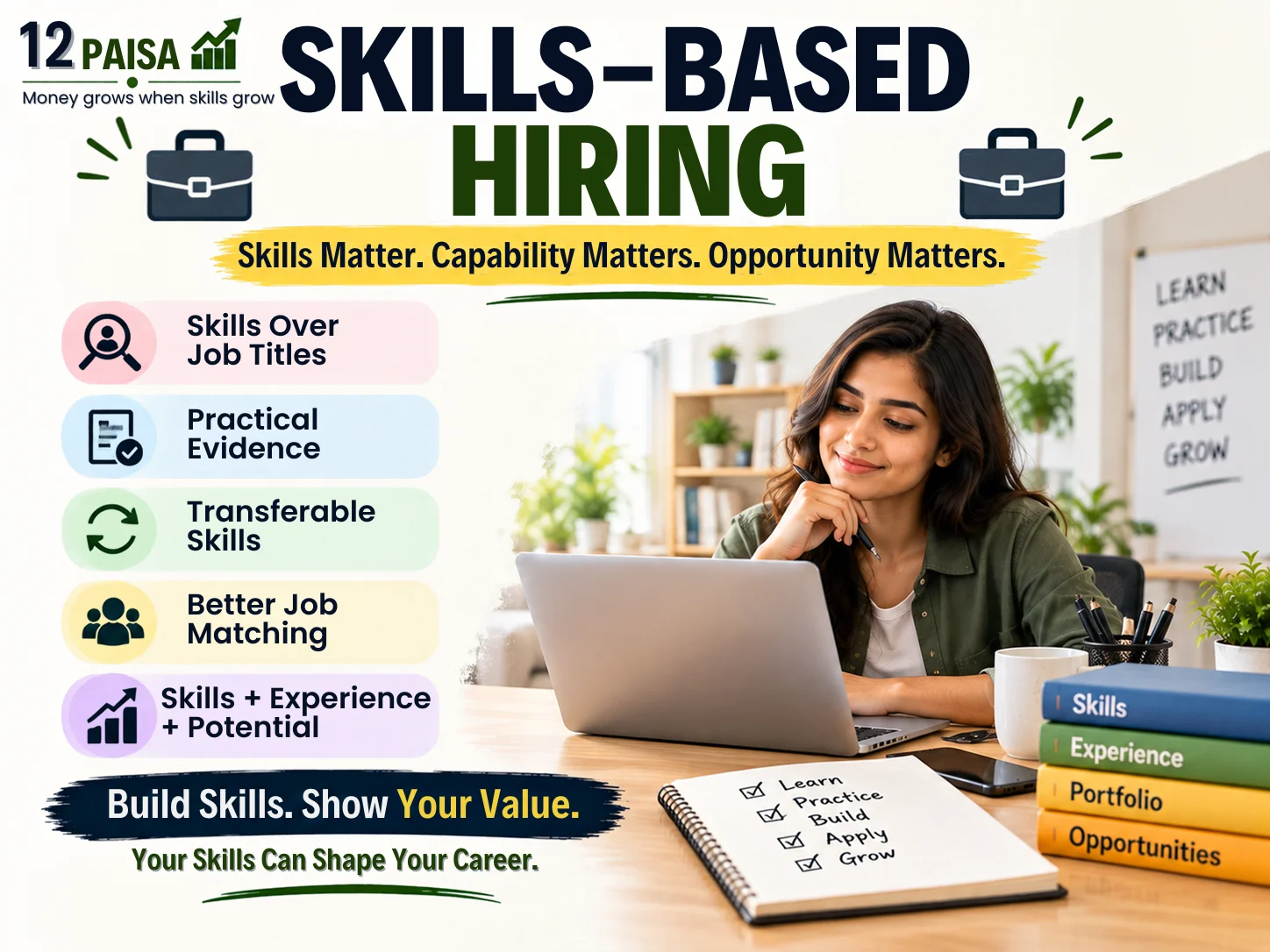
Company B में:
Performance Marketing + Analytics handle कर सकता है।
Company C में:
Growth + Product के साथ काम कर सकता है।
इसलिए:
Job Title ≠ Complete Skill Profile
3. Skills-Based Hiring Starts With the Job
इस approach में employer पहले यह समझ सकता है:
“इस role को successfully perform करने के लिए क्या चाहिए?”
फिर role को skills में break किया जा सकता है।
Example:
Data Analyst
Technical Skills
→ Data Analysis
→ Spreadsheet / Analytics Tools
Analytical Skills
→ Problem Solving
→ Pattern Recognition
Communication
→ Presenting Insights
इससे hiring process role की actual requirements से connect हो सकता है।
4. Skills Can Be Technical or Non-Technical
Skills-based hiring का मतलब सिर्फ technical skills नहीं।
Technical Skills
- Data Analysis
- Programming
- Accounting
- SEO
- Graphic Design
- Financial Modeling
Human Skills
- Communication
- Leadership
- Collaboration
- Critical Thinking
- Problem Solving
- Adaptability
एक role में दोनों categories का combination जरूरी हो सकता है।
5. Hard Skills Matter
Hard skills ऐसी capabilities हैं जिन्हें specific तरीके से सीखना और evaluate करना relatively आसान हो सकता है।
Example:
- Excel
- Python
- Accounting
- Video Editing
- SEO
- CAD
अगर job को particular technical capability की जरूरत है, तो employer उसे assessment या practical task के जरिए evaluate कर सकता है।
6. Soft Skills Also Matter
कई jobs में technical knowledge alone sufficient नहीं होती।
Employee को:
Team के साथ काम करना
Customer से communicate करना
Problem explain करना
और
Decision लेना
भी पड़ सकता है।
इसलिए:
Technical Skill Gets the Work Done; Human Skills Help Work Move Forward.
7. Transferable Skills Are Important
कुछ skills अलग-अलग jobs में use हो सकती हैं।
इन्हें transferable skills कहा जा सकता है।
Examples:
- Communication
- Research
- Project Management
- Problem Solving
- Data Interpretation
- Leadership
अगर professional career change करता है, तो ये skills नई role में भी useful हो सकती हैं।
8. Example: Career Switcher
मान लीजिए एक person:
Customer Service में काम करता है।
उसके पास skills हैं:
- Customer Communication
- Problem Solving
- CRM Usage और
- Issue Resolution
वह आगे Customer Success या related operations role explore कर सकता है।
यहाँ job title से ज्यादा Transferable Skills important हो सकती हैं।
9. Skills-Based Hiring Can Open Alternative Career Paths
Traditional career path:
Degree
↓
Entry-Level Job
↓
Same Industry
↓
Promotion
Skills-based approach में career movement ज्यादा flexible हो सकता है:
Existing Skills
↓
New Skill
↓
Practical Project
↓
Adjacent Role
↓
New Career Direction
इससे career switch का रास्ता कुछ professionals के लिए more accessible हो सकता है।
10. Degree Still Has Value
Skills-based hiring का मतलब “Degrees are useless.” नहीं है।
Degree अभी भी कई situations में important हो सकती है।
विशेषकर उन professions में जहाँ Formal Qualification, Licensing या, Specialized Academic Training की आवश्यकता होती है।
इसलिए सही approach Skills + Qualifications हो सकती है, न कि Skills vs Degree हर situation में।
11. Skills and Degrees Can Work Together
एक candidate के पास Degree हो सकती है। और उसके साथ Practical Skills भी।
Example:
B.Com
Excel
Data Analytics
Financial Modeling
यह profile traditional academic qualification को practical capabilities के साथ combine करती है।
12. Why Employers Look at Skills
Employer का basic goal है:
Right person for the right work.
अगर candidate के पास required skills हैं, तो वह role में effectively contribute कर सकता है।
इसलिए hiring manager देख सकता है:
Can this person perform the work?
Can they learn?
Can they solve problems?
Can they collaborate?
Can they adapt?
13. Skills-Based Hiring Can Improve Job Matching
एक job और candidate के बीच mismatch होने पर दोनों sides को नुकसान हो सकता है।
Employer
Wrong hire
↓
Training cost
↓
Lower productivity
Employee
Wrong role
↓
Low satisfaction
↓
Possible job change
Skills-based assessment better job-role matching में help कर सकता है।
14. Skills-Based Hiring Can Help Career Changers
Career switchers के लिए सबसे बड़ा challenge हो सकता है:
“मेरी previous job नई role से match नहीं करती।”
Skills-based approach में candidate अपने Transferable Skills और Newly Acquired Skills demonstrate कर सकता है।
इससे career transition का conversation degree या previous title से आगे जा सकता है।
15. Students Can Benefit From This Approach
Students के लिए इसका important lesson है:
Degree के साथ employable skills build करें।
Example:
Commerce student:
Degree
Excel
Data Analysis
Communication
एक stronger practical profile बना सकता है।
16. Projects Can Demonstrate Skills
Student resume में लिख सकता है “Learned Excel.”
लेकिन अगर वह लिखता है “Built a sales dashboard using Excel.”
तो employer को skill application का evidence मिल सकता है।
इसलिए:
Project > Just Claiming a Skill
कई situations में stronger signal हो सकता है।
17. Portfolios Can Support Skills-Based Hiring
कुछ roles में portfolio candidate की capability दिखाने का powerful तरीका हो सकता है।
Examples:
Designer
Design Portfolio
Developer
GitHub / Projects
Writer
Writing Samples
Data Analyst
Dashboards / Analysis Projects
Digital Marketer
Campaign Case Studies
Portfolio हर profession के लिए जरूरी नहीं, लेकिन जहाँ work samples relevant हों वहाँ useful हो सकता है।
18. Assessments Can Measure Practical Ability
Employer candidate को practical test दे सकता है।
Example:
Data Analyst
Sample dataset analyze करें।
Writer
Short article लिखें।
Designer
Design task complete करें।
Sales Candidate
Mock sales conversation करें।
इससे employer को candidate की Demonstrated Ability देखने का opportunity मिल सकता है।
19. Skills-Based Interviews Can Be More Specific
Traditional question “Tell me about yourself.”
Skills-focused interview में:
“Tell me about a time you solved a difficult customer problem.”
यह candidate की:
Problem Solving, Communication, और Judgment को understand करने में help कर सकता है।
20. Behavioral Questions Can Reveal Skills
Employer पूछ सकता है:
“Tell me about a project where something went wrong.”
Candidate explain करता है:
Problem
↓
Action
↓
Decision
↓
Result
इससे practical behavior के बारे में information मिल सकती है।
21. Skill Evidence Can Come From Different Sources
Candidate की skills सिर्फ resume से नहीं समझी जानी चाहिए।
Evidence हो सकता है:
- Portfolio
- Projects
- Assessments
- Work samples
- Previous experience
- Certifications
- Interviews
- Practical tasks
एक single document candidate की complete capability हमेशा नहीं दिखाता।
22. Skills-Based Hiring Can Reduce Unnecessary Filters
कभी-कभी job description में बहुत सारे requirements add हो जाते हैं।
Example:
Degree
5 Years Experience
Specific Industry
Multiple Certifications
जबकि actual work के लिए शायद Three Core Skills सबसे important हों।
Skills-based approach employers को यह सोचने के लिए encourage कर सकती है:
“Which requirements are genuinely necessary?”
23. Employers Can Separate Must-Have and Nice-to-Have Skills
हर skill equally important नहीं होती।
Must-Have
Role के लिए essential
Good-to-Have
Helpful लेकिन mandatory नहीं।
Example:
Data Analyst
Must-Have: Data Analysis
Spreadsheet Skills
Good-to-Have: Advanced Visualization
यह distinction candidate pool को unnecessarily narrow होने से रोक सकती है।
24. Skills-Based Job Descriptions Are More Specific
Traditional:
“Looking for a dynamic professional with excellent communication skills.”
Skills-based:
“Candidate should be able to analyze monthly sales data, identify trends and present findings to the management team.”
दूसरा description candidate को clearly बताता है कि:
What they need to do.
25. Skill-Based Job Description Framework
एक effective skills-focused job description में शामिल हो सकते हैं:
Role Purpose
Why does the role exist?
Core Responsibilities
What will the person do?
Required Skills
What must they know?
Transferable Skills
What capabilities matter?
Evidence
How can candidates demonstrate them?
यह hiring process को clearer बना सकता है।
26. Skills Can Be Grouped Into Skill Families
एक role में कई individual skills हो सकती हैं।
उन्हें groups में organize किया जा सकता है।
Example:
Data Skills
- Analysis
- Visualization
- Interpretation
Communication
- Writing
- Presentation
- Listening
Business Skills
- Decision Making
- Planning
- Commercial Understanding
इससे employer को complete capability profile बनाने में मदद मिल सकती है।
27. Skills-Based Hiring Is Not Just About Recruitment
यह approach hiring से आगे भी जा सकती है।
Companies skills framework का use कर सकती हैं:
Hiring
↓
Onboarding
↓
Training
↓
Performance Development
↓
Internal Mobility
इससे skills organization की broader workforce strategy का हिस्सा बन सकती हैं।
28. Skills-Based Hiring Can Support Internal Mobility
किसी company में employee के पास existing skills हो सकती हैं जो दूसरे department में useful हों।
Example:
Customer Support
↓
Customer Success
या:
Marketing Executive
↓
Marketing Analytics
अगर organization employee की skills को identify करती है, तो internal career movement के opportunities develop हो सकते हैं।
Practical Example: Marketing Role
मान लीजिए company को Digital Marketing Executive चाहिए।
Traditional filter: Marketing Degree
लेकिन skills-based framework:
Core Skills
- SEO Basics
- Content Planning
- Analytics
- Campaign Management
Human Skills
- Communication
- Creativity
- Problem Solving
अब hiring manager candidate की actual capabilities को evaluate कर सकता है।
Practical Example: Data Analyst
Candidate A Relevant Degree लेकिन practical data skills limited
Candidate B Different Academic Background
लेकिन:
- Excel
- SQL
- Data Visualization
- Portfolio Projects
strong हैं।
Skills-based hiring में Candidate B को भी serious consideration मिल सकता है, depending on the role and employer requirements.
Practical Example: Career Switcher
एक teacher:
- Teaching
- Communication
- Presentation
- Training
में strong है।
वह Instructional Design की तरफ transition explore कर सकता है।
नई skill Learning Technology add करके वह existing experience को new role के साथ combine कर सकता है।
Common Mistakes
1. Skills-Based Hiring = No Degree
गलत। कई roles में qualifications अभी भी important या mandatory हो सकती हैं।
2. केवल Technical Skills देखना
Human skills भी कई roles के लिए important हैं।
3. हर Skill को Equal मानना
Core और secondary skills अलग करनी चाहिए।
4. Skill को सिर्फ Resume पर Believe करना
जहाँ possible हो practical evidence देखना बेहतर है।
5. Job Description बहुत Generic रखना
Role-specific skills clearly define करें।
6. केवल Years of Experience पर Depend करना
Experience useful है, लेकिन experience की quality और relevant skills भी important हैं।
7. Portfolio को हर Job के लिए Mandatory मानना
हर profession में portfolio practical नहीं होता।
8. Degree को Completely Ignore करना
कुछ careers में formal qualification essential है।
9. Transferable Skills को Ignore करना
Career changers के लिए ये valuable हो सकती हैं।
10. Skill Requirements Unrealistic रखना
बहुत ज्यादा requirements strong candidates को discourage कर सकती हैं।
Beginner Checklist: Skills-Based Career Preparation
अगर आप student या job seeker हैं:
- अपनी top 5 skills identify करें।
- Technical और human skills अलग करें।
- अपनी transferable skills लिखें।
- Target role की required skills देखें।
- Skill gaps identify करें।
- एक relevant skill improve करें।
- Practical project बनाएं।
- Work sample collect करें।
- Resume को skills के हिसाब से customize करें।
- Interview में skills के real examples prepare करें।
Action Plan- 1: Your Personal Skill Map
इस article के लिए एक Skill Mapping Exercise:
एक target job चुनें।
फिर चार columns बनाएं:
| Target Role | Required Skill | My Level | Evidence |
| Digital Marketer | SEO | Intermediate | Website Project |
| Digital Marketer | Analytics | Beginner | Course Project |
| Digital Marketer | Communication | Strong | Work Experience |
अब हर skill के लिए:
Beginner, Intermediate, या Strong level लिखें।
फिर सबसे बड़ा gap identify करें।
आपका final goal:
1 Target Role
↓
5 Required Skills
↓
1 Biggest Skill Gap
↓
1 Practical Project
इस exercise से आपको यह समझने में मदद मिलेगी कि career के लिए सिर्फ “क्या सीखना है” नहीं, बल्कि क्यों और किस role के लिए सीखना है।
Key Takeaways
- Skills-based hiring candidate की actual capabilities पर greater focus करने वाली recruitment approach है।
- इसका मतलब degrees को completely remove करना नहीं है।
- Skills-based hiring में role-specific competencies important होती हैं।
- Job titles candidate की complete capabilities हमेशा नहीं बताते।
- Technical और human skills दोनों hiring decisions में relevant हो सकती हैं।
- Transferable skills career transitions में useful हो सकती हैं।
- Students degree के साथ practical skills build करके अपनी employability strengthen कर सकते हैं।
- Projects skills को demonstrate करने का practical तरीका हो सकते हैं।
- Portfolios कुछ professions में strong evidence provide कर सकते हैं।
- Practical assessments candidate की demonstrated ability evaluate करने में help कर सकते हैं।
- Skills-focused interviews candidates के actual experiences और behavior को explore कर सकते हैं।
- Skill evidence resume के अलावा projects, assessments, work samples और interviews से भी आ सकता है।
- Employers unnecessary qualification filters को identify और reduce कर सकते हैं।
- Must-have और nice-to-have skills को अलग करना hiring process को clearer बना सकता है।
- Skills-based job descriptions responsibilities और required capabilities को clearly explain कर सकती हैं।
- Skills को technical, human और business skill families में organize किया जा सकता है।
- Skills frameworks recruitment के साथ training और internal mobility में भी useful हो सकते हैं।
- Existing employees की transferable skills internal career movement support कर सकती हैं।
- Career changers अपनी previous experience को new skills के साथ combine कर सकते हैं।
- Skills-based hiring का central question है: “Can this candidate demonstrate the capabilities needed for the work?”
- हर profession में same hiring approach apply नहीं हो सकती।
- Practical career preparation का useful formula है: Target Role → Required Skills → Skill Gap → Practice → Evidence.
Skills-based hiring को समझने का सबसे simple तरीका है:
Traditional Question
“आपकी qualification क्या है?”
Skills-Based Question
“आप इस role के लिए क्या कर सकते हैं?”
लेकिन इसका मतलब यह नहीं कि education या experience की value खत्म हो गई।
असल बदलाव यह है कि employers candidate की profile को सिर्फ एक dimension से देखने के बजाय:
Education
Experience
Skills
Practical Evidence
Learning Ability
के combination के रूप में देख सकते हैं।
एक candidate के पास impressive degree हो सकती है, लेकिन अगर उसे role की basic practical requirements नहीं आतीं, तो hiring manager के लिए यह concern हो सकता है।
दूसरी तरफ किसी candidate का academic background traditional path से अलग हो सकता है, लेकिन उसके पास:
Relevant Skills, Strong Projects,और Demonstrated Capability हो सकती है।
Skills-based hiring ऐसे candidates को consider करने का रास्ता खोल सकती है—जहाँ role और industry के requirements इसकी अनुमति दें।
इस approach का सबसे बड़ा lesson job seekers के लिए है:
Don’t Just List Your Skills. Prove Them.
Resume में “I know Excel.” लिखना एक claim है।
लेकिन:
“I built a monthly sales dashboard using Excel.”
एक example है।
और:
“I built a sales dashboard that helped identify monthly revenue trends.”
एक stronger demonstration हो सकता है।
इसलिए future career में Skill + Evidence का combination increasingly useful हो सकता है।
Students के लिए इसका मतलब Degree लो।
लेकिन साथ में:
Skills Build करो।
Projects बनाओ।
Problems Solve करो।
और:
अपना Work Demonstrate करो।
Career changers के लिए lesson है:
अपनी previous experience को discard मत समझो।
पहले देखें कि आपकी existing skills कहाँ transferable हैं।
फिर One New Skill add करें और One Practical Project से उसे prove करें।
Employers के लिए lesson है:
Hire for the Work, Not Just the Label.
Job title, degree और years of experience useful signals हो सकते हैं।
लेकिन final question होना चाहिए:
“क्या candidate इस role के लिए जरूरी capabilities demonstrate कर सकता है?”
अगर answer clear है, तो hiring decision ज्यादा job-relevant हो सकता है।
Skills-based hiring का future केवल recruitment तक limited नहीं हो सकता।
यह organizations को यह सोचने में भी मदद कर सकता है:
किस skill की जरूरत है?
किस employee के पास वह skill है?
कौन–सी skill develop करनी है?
किस employee को दूसरे role में move किया जा सकता है?
इससे hiring और career development के बीच connection मजबूत हो सकता है।
और यही skills-based workforce का broader idea है:
Right Skills + Right Role + Right Opportunity.
अब तक आपने समझा कि skills-based hiring क्या है, यह traditional hiring से कैसे अलग है और candidates के लिए skills + practical evidence क्यों important हो सकते हैं।
अब focus रहेगा कि employers skills को practically कैसे identify और assess करते हैं, job descriptions कैसे skills-focused बन सकती हैं, hiring process में assessments और interviews की क्या भूमिका होती है और candidates अपनी capabilities को effectively कैसे demonstrate कर सकते हैं।
29. Skills-Based Hiring Starts With Skill Identification
Skills-based hiring का पहला practical step है:
“इस role को successfully perform करने के लिए कौन–सी skills जरूरी हैं?”
Employer role को अलग-अलग responsibilities में divide कर सकता है।
Example:
- Sales Executive
- Customer Communication
- Product Knowledge
- Negotiation
- CRM Usage
- Follow-up
अब hiring process इन्हीं capabilities को evaluate करने के around design किया जा सकता है।
30. Employers Can Build a Skills Profile
एक skills profile role की required capabilities को clearly organize कर सकती है।
Example:
| Skill Category | Required Capability |
| Technical | CRM Usage |
| Analytical | Sales Data Analysis |
| Communication | Client Communication |
| Commercial | Negotiation |
| Behavioral | Adaptability |
इससे employer को candidate और job के बीच skill match समझने में मदद मिल सकती है।
31. Not Every Skill Needs the Same Level
किसी role में हर skill equally advanced level पर जरूरी नहीं होती।
Example:
Digital Marketing Executive
SEO: Advanced
Analytics: Intermediate
Design: Basic
Communication: Strong
इसलिए skills के साथ Required Level भी define करना useful हो सकता है।
32. Skills Can Be Classified by Importance
एक role में skills को तीन levels में organize किया जा सकता है:
Essential
जिसके बिना role perform करना difficult है।
Important
जो performance improve करती है।
Advantage
जो candidate को additional value दे सकती है।
यह distinction hiring requirements को ज्यादा realistic बना सकती है।
33. Job Descriptions Can Become More Skill-Focused
Traditional job description:
“Candidate should be hardworking, dynamic and result-oriented.”
यह काफी generic है।
Skills-focused description:
“Candidate should be able to analyze campaign performance, prepare monthly reports and identify opportunities to improve conversion.”
यह candidate को बताता है कि Actual Work क्या होगा।
34. Responsibilities Should Be Connected to Skills
अगर job responsibility है “Prepare monthly business reports.” तो related skills हो सकती हैं:
- Data Analysis
- Spreadsheet Skills
- Attention to Detail
- Communication
इस connection से hiring manager और candidate दोनों को role की expectations ज्यादा clearly समझ आ सकती हैं।
35. Skills-Based Hiring Can Use Practical Assessments
एक candidate से केवल यह पूछने के बजाय:
“Do you know Excel?”
Employer practical task दे सकता है:
“इस dataset से monthly sales summary बनाइए।”
इससे candidate की actual ability evaluate की जा सकती है।
36. Work Samples Can Provide Strong Evidence
Work sample का मतलब है candidate से actual या simulated job-related work करवाना।
Examples:
Writer
एक short article लिखे।
Designer
एक design task complete करे।
Analyst
Data analyze करे।
Sales Candidate
Mock client interaction करे।
इस approach में Show → Don’t Just Tell का principle apply होता है।
37. Skill Assessments Should Match the Actual Job
Assessment तभी useful है जब वह real work से relevant हो।
अगर job में Data Analysis की जरूरत है, तो assessment में unnecessary Advanced Programming test करना उचित नहीं हो सकता।
इसलिए:
Test What the Job Actually Requires.
38. Assessments Can Measure Different Types of Skills
Knowledge Test
Candidate क्या जानता है?
Practical Test
Candidate क्या कर सकता है?
Simulation
Candidate real-world situation में कैसे perform करता है?
Behavioral Interview
Candidate past situations में कैसे behave करता था?
अलग methods अलग capabilities measure कर सकते हैं।
39. Practical Tests Can Reveal Skill Gaps
मान लीजिए candidate resume में Advanced Excel लिखता है।
लेकिन assessment में basic formulas में difficulty आती है।
यह employer को resume claim और practical ability के बीच difference दिखा सकता है।
इसलिए practical testing useful evidence provide कर सकती है।
40. Interviews Still Matter
Skills-based hiring का मतलब interviews खत्म करना नहीं।
Interview यह समझने में help कर सकता है कि candidate:
कैसे सोचता है
कैसे communicate करता है
कैसे decisions लेता है
और
problems को कैसे approach करता है।
41. Skills-Based Interviews Ask for Evidence
Generic question:
“Are you good at problem-solving?”
Candidate naturally “Yes.” कह सकता है।
Better question:
“Tell us about a difficult problem you solved and what you did.”
अब candidate को:
Situation
↓
Action
↓
Result
explain करना पड़ता है।
42. The STAR Method Can Help Candidates
Behavioral interview answers को organize करने के लिए commonly used structure है:
S — Situation
क्या situation थी?
T — Task
आपकी responsibility क्या थी?
A — Action
आपने क्या किया?
R — Result
क्या outcome आया?
Example:
Customer complaints बढ़ रही थीं।
Task:
Complaint resolution improve करना।
Action:
Issue categories analyze कीं।
Result:
Team ने common problems identify करके process improve किया।
इससे candidate की:
Analysis + Problem Solving + Communication
skills demonstrate हो सकती हैं।
43. Certifications Can Support Skill Claims
Certification यह signal दे सकती है कि candidate ने structured learning complete की है।
Examples:
Data Analytics Certification
Digital Marketing Certification
Cloud Certification
लेकिन certification alone यह prove नहीं करती कि candidate real-world environment में skill effectively apply कर सकता है।
इसलिए Certification + Practical Evidence stronger combination हो सकता है।
44. Projects Can Bridge the Experience Gap
Freshers का common problem “Experience नहीं है।”
लेकिन relevant project Practical Exposure demonstrate कर सकता है।
Example:
Student ने Sales Dashboard बनाया।
वह बता सकता है:
- Problem
- Tools
- Process
- Findings
- Result
इससे conversation सिर्फ academic background तक limited नहीं रहती।
45. Freelance Work Can Become Skill Evidence
अगर candidate ने freelance project किया है, तो वह relevant experience हो सकता है।
Example:
“Managed SEO for a small business website.”
Candidate discuss कर सकता है:
- Keyword Research
- On-Page Optimization
- Content Planning
- Performance Tracking
इससे practical capability दिखाई जा सकती है।
46. Internships Can Provide Real-World Skill Evidence
Internship experience में candidate ने actual workplace environment देखा हो सकता है।
इससे:
- Teamwork
- Deadlines
- Communication
- Role-Specific Skills
demonstrate की जा सकती हैं।
47. Personal Projects Can Also Be Useful
हर project paid होना जरूरी नहीं।
एक person:
- Personal Website
- Data Dashboard
- Automation Workflow
- Mobile App या
- Research Project
बना सकता है।
Important है कि project Relevant और Demonstrable हो।
48. A Resume Can Become Skills-Oriented
Traditional resume:
Job Title → Company → Dates
Skills-focused resume में:
Role → Responsibilities → Skills Used → Outcomes
पर ज्यादा focus हो सकता है।
Example:
Instead of:
Managed social media.
Better:
Planned and analyzed social media campaigns using analytics data to improve content performance.
यह Action + Skill + Outcome दिखाता है।
49. Quantifiable Results Strengthen Skill Evidence
जहाँ accurate data available हो, result को measurable बनाना useful हो सकता है।
Example:
Reduced report preparation time from 4 hours to 2 hours.
या:
Managed 50+ customer requests per day.
या:
Built a dashboard covering monthly sales across 5 regions.
इससे candidate का practical contribution clearer हो सकता है।
50. Don’t Invent Numbers
यह बहुत important है।
Resume को impressive बनाने के लिए Fake metrics नहीं लिखने चाहिए।
अगर exact result available नहीं है, तो qualitative impact describe करें।
Trust:
Accuracy > Artificial Impressiveness
51. Skill-Based Hiring Can Make Career Switches Easier to Explain
Career switcher को अक्सर पूछा जा सकता है:
“आपका previous experience इस role से कैसे relevant है?”
इसका answer skills के through दिया जा सकता है।
Example:
Previous Role
- Customer Support
Transferable Skills
- Communication
- Problem Solving
- CRM
- Customer Understanding
Target Role
- Customer Success
इससे career transition की logic clear हो सकती है।
52. Career Switchers Should Translate Their Experience
Resume में सिर्फ:
“Customer Support Executive”
लिखने के बजाय relevant capabilities highlight की जा सकती हैं:
- Customer Communication
- Issue Resolution
- CRM Management
- Customer Retention Support
इससे hiring manager को transferable skills identify करने में मदद मिल सकती है।
53. Skills-Based Hiring Can Help Reduce Career Path Rigidity
Traditional career:
Marketing → Marketing Manager
Skills-based career:
Marketing → Analytics → Growth → Product
अगर professional की skills transferable हैं, तो career movement कई directions में हो सकता है।
54. Internal Skills Marketplaces Can Support Mobility
कुछ organizations employees को internal opportunities discover करने के लिए:
Skills Profiles या Internal Talent Platforms use कर सकती हैं।
Employee:
Current Skills
↓
Available Opportunities
match कर सकता है।
इससे internal mobility support हो सकती है।
55. Companies Can Use Skills Inventories
Skills inventory organization को यह understand करने में help कर सकती है:
Which skills do we have?
Which skills are missing?
Which teams have surplus capability?
Where do we need training?
यह information hiring और workforce planning दोनों में useful हो सकती है।
56. Skills Gaps Can Guide Training
अगर company identify करती है कि Data Analysisskill की कमी है।
तो organization Training, Reskilling, या External Hiring में से appropriate option चुन सकती है।
इससे hiring decision Skill Gap Strategy का हिस्सा बन सकता है।
57. Skills-Based Hiring Can Support Internal Upskilling
अगर employee के पास Strong Domain Knowledge है लेकिन New Technology Skill missing है, तो company उसे train कर सकती है।
Example:
Finance Employee
Data Analytics Training
↓
Financial Analytics Role
यह हर employee या organization के लिए suitable नहीं होगा, लेकिन skills mapping ऐसे opportunities identify करने में मदद कर सकती है।
58. The Goal Is Better Skill-to-Role Matching
Skills-based hiring का ultimate objective सिर्फ More Hiring नहीं।
Better objective है:
Right Skills → Right Role → Better Work Fit
जब candidate की capabilities और role requirements clearly match होती हैं, तो hiring process ज्यादा job-relevant हो सकता है।
Skills Assessment Framework
Employer candidate को इस तरह evaluate कर सकता है:
| Stage | Question |
| Resume | What has the candidate done? |
| Portfolio | What can the candidate show? |
| Assessment | What can the candidate perform? |
| Interview | How does the candidate think? |
| References / Experience | How has the candidate worked? |
| Final Match | Does the skill set fit the role? |
कोई single method हर role के लिए sufficient नहीं होगा।
Candidate Skill Evidence Framework
Job seeker अपनी skills को इस structure में present कर सकता है:
Skill
Data Analysis
↓
Learning
Completed structured training
↓
Application
Built Sales Dashboard
↓
Evidence
Portfolio / Work Sample
↓
Outcome
Identified monthly sales trends
इससे skill claim को practical evidence के साथ connect किया जा सकता है।
Practical Example: Fresher
एक fresher के पास BBA Degree है।
लेकिन वह job के लिए:
- Excel
- Data Analysis
- Presentation
skills भी develop करता है।
वह एक Sales Dashboard Project बनाता है।
Interview में explain करता है:
Why he built it
How he analyzed data
What he discovered
इससे उसकी profile:
Degree + Skill + Evidence
के रूप में present होती है।
Practical Example: Career Switcher
एक HR professional Recruitment का experience रखता है।
वह People Analytics सीखता है।
फिर employee data पर Attrition Dashboard बनाता है।
अब उसके पास:
HR Domain Knowledge
Analytics Skill
Practical Project
का combination है।
यह उसके career transition story को stronger बना सकता है।
Practical Example: Employer
एक company को Operations Analyst चाहिए।
वह केवल MBA Required नहीं लिखती।
वह skills define करती है:
- Process Analysis
- Excel
- Data Interpretation
- Communication
- Problem Solving
फिर candidate को practical dataset देकर Process Improvement Recommendation मांगती है।
इससे hiring process actual job capabilities के करीब आ सकता है।
Common Mistakes
1. हर Role के लिए Same Assessment
हर job की required skills अलग होती हैं।
2. Unrealistic Skill Requirements
बहुत ज्यादा requirements candidate pool को unnecessarily narrow कर सकती हैं।
3. Resume Claims को Automatically Accept करना
जहाँ possible हो practical evidence useful है।
4. Degree को Completely Ignore करना
कुछ roles में formal qualification essential हो सकती है।
5. केवल Technical Skills Test करना
Communication और problem-solving भी important हो सकती हैं।
6. Assessment को Actual Job से Disconnect करना
जो skill काम में जरूरी नहीं, उसे unnecessarily test करना fair नहीं हो सकता।
7. Fake Resume Metrics
Numbers हमेशा genuine होने चाहिए।
8. Portfolio को हर Profession में Mandatory मानना
कुछ roles में portfolio relevant नहीं होता।
9. Transferable Skills को Ignore करना
Career switchers की existing capabilities valuable हो सकती हैं।
10. Hiring के बाद Skill Development भूल जाना
Skills-based workforce के लिए continuous learning भी important हो सकती है।
Candidate Checklist: Prepare for Skills-Based Hiring
- Target role की required skills identify करें।
- Essential और secondary skills अलग करें।
- अपनी current skill level assess करें।
- Skill gaps identify करें।
- Relevant project बनाएं।
- Work samples collect करें।
- Resume को role-specific बनाएं।
- Achievements को measurable तरीके से describe करें।
- Behavioral interview examples prepare करें।
- अपने skills के practical evidence ready रखें।
Action Plan- 2: Build Your Skill Evidence Portfolio
इस article के लिए एक अलग practical exercise:
अपने target role की 5 Core Skills चुनें।
हर skill के सामने:
| Skill | How I Learned | How I Applied It | Evidence |
| Excel | Course | Sales analysis | Dashboard |
| Communication | Work | Client presentation | Presentation |
| SEO | Practice | Website optimization | Case Study |
अब जिस skill के सामने Evidence missing है, उसे identify करें।
फिर अगले कुछ weeks में कम से कम One Proof of Skill बनाने का target रखें।
इससे आपका profile:
“I know this skill.” से “I can demonstrate this skill.” की तरफ move करेगा।
Key Takeaways
- Skills-based hiring role की actual requirements identify करने से शुरू होती है।
- Employers role के लिए structured skills profile बना सकते हैं।
- हर skill की required proficiency level अलग हो सकती है।
- Skills को essential, important और advantageous categories में organize किया जा सकता है।
- Job descriptions को responsibilities और required capabilities से directly connect किया जा सकता है।
- Practical assessments candidates की demonstrated ability evaluate करने में मदद कर सकते हैं।
- Work samples कई roles में strong evidence provide कर सकते हैं।
- Assessment को actual job requirements के साथ relevant रखना जरूरी है।
- Interviews skills-based hiring में candidate की thinking और communication समझने में useful रह सकते हैं।
- Behavioral interviews past experiences से practical skills identify कर सकते हैं।
- STAR framework candidates को structured interview answers देने में मदद कर सकता है।
- Certifications skill development का evidence दे सकती हैं, लेकिन practical application भी important है।
- Projects freshers को practical capability demonstrate करने का opportunity देते हैं।
- Freelance work, internships और personal projects relevant skill evidence बन सकते हैं।
- Resume में skills को responsibilities और outcomes के साथ present करना ज्यादा informative हो सकता है।
- Accurate metrics practical impact को demonstrate कर सकते हैं, लेकिन numbers कभी fabricate नहीं करने चाहिए।
- Career switchers transferable skills के जरिए previous experience को new roles से connect कर सकते हैं।
- Skills mapping internal career mobility और workforce planning में भी useful हो सकती है।
- Skills inventories organizations को current capabilities और skill gaps समझने में मदद कर सकती हैं।
- Identified skill gaps training, reskilling या hiring decisions को guide कर सकते हैं।
- Skills-based hiring का goal केवल hiring volume बढ़ाना नहीं, बल्कि better skill-to-role matching है।
- Candidates के लिए useful formula है: Skill → Learn → Apply → Evidence → Demonstrate.
- Employers के लिए useful formula है: Role → Skills → Assessment → Evidence → Match.
- Skills-based hiring traditional career paths को more flexible बना सकती है।
- Degree, experience और skills को competing factors की तरह देखने के बजाय role requirements के context में evaluate करना ज्यादा practical हो सकता है।
Skills-based hiring का practical difference तब दिखाई देता है जब employer और candidate दोनों:
Job Title से आगे जाकर Actual Work को समझते हैं।
Employer पूछता है:
“इस role में success के लिए कौन–सी capabilities जरूरी हैं?”
Candidate पूछता है:
“मैं इन capabilities को कैसे demonstrate कर सकता हूँ?”
यहीं से hiring process ज्यादा specific बन सकता है।
एक candidate सिर्फ यह नहीं कहता:
“I am good at data analysis.”
वह दिखा सकता है:
Dataset
↓
Analysis
↓
Dashboard
↓
Insight
↓
Recommendation
अब skill एक statement नहीं रही।
वह Evidence बन गई।
इसी तरह employer भी सिर्फ:
“We need an experienced candidate.”
कहने के बजाय define कर सकता है:
- 5 Core Skills
- Required Proficiency
- Relevant Experience
- Practical Assessment
इससे candidate evaluation ज्यादा structured हो सकता है।
और यही skills-based hiring का सबसे important principle है:
Define the Work. Identify the Skills. Evaluate the Evidence.
यह approach हर industry और हर role में exactly same तरीके से लागू नहीं होगी।
कुछ professions में:
- Degree
- License
- Formal Training
या
- Specialized Experience
mandatory हो सकते हैं।
लेकिन जहाँ skills को practically assess करना possible है, वहाँ actual capability को hiring conversation में include करना useful हो सकता है।
Candidates के लिए सबसे practical lesson है अपनी skills की list बनाना शुरू करें।
फिर पूछें “इन skills का proof मेरे पास कहाँ है?”
अगर answer है “मेरे पास proof नहीं है।”
तो यही आपका next learning project हो सकता है।
एक:
Dashboard
या
Case Study
या
Writing Sample
या
Design
या
Automation Workflow
बनाएं।
क्योंकि career में कई बार:
What You Can Show Is More Powerful Than What You Can Simply Say.
अब तक आपने समझा कि skills-based hiring क्या है और traditional qualification-focused hiring से इसका approach कैसे अलग हो सकता है। फिर आपने देखा कि employers skills को job requirements, assessments, interviews, projects और work samples के जरिए कैसे evaluate कर सकते हैं।
अब इसके benefits, limitations, fairness, employer strategy, candidate strategy और future of skills-based hiring को समझेंगे।

59. Skills-Based Hiring Can Expand the Talent Pool
Traditional hiring में अगर employer बहुत strict qualification filters रखता है, तो कुछ capable candidates शुरुआत में ही बाहर हो सकते हैं।
Skills-based approach में employer यह देख सकता है:
क्या candidate required work कर सकता है?
इससे ऐसे candidates को consider करने का अवसर मिल सकता है जिनका:
- Educational background अलग हो
- Career path non-linear हो
- Previous job title अलग हो
- Experience दूसरे industry से हो
- Formal qualification role से perfectly match न करती हो
जहाँ role की requirements इसकी अनुमति देती हैं, वहाँ इससे talent pool broader हो सकता है।
60. Skills-Based Hiring Can Help Career Changers
Career change करने वाले व्यक्ति के लिए सबसे बड़ी challenge अक्सर यह होती है:
“मेरी previous experience नई job से match नहीं करती।”
Skills-based approach में वह अपनी:
Transferable Skills
New Skills
Practical Evidence
को present कर सकता है।
उदाहरण:
Customer Support
→ Communication
→ Problem Solving
→ CRM
→ Customer Understanding
इन skills के आधार पर वह Customer Success जैसे adjacent role को target कर सकता है।
61. It Can Create More Flexible Career Paths
Traditional career path अक्सर linear दिखाई देता है:
Degree → First Job → Promotion → Senior Role
लेकिन skills-based career:
Skill → Experience → New Skill → Adjacent Role → Specialization
हो सकता है।
इससे professionals के लिए career movement ज्यादा flexible हो सकता है।
62. Skills-Based Hiring Can Help Freshers Stand Out
Freshers के पास अक्सर years of experience नहीं होते।
लेकिन वे demonstrate कर सकते हैं:
- Projects
- Internships
- Competitions
- Certifications
- Volunteer Work
या
- Personal Work
इससे employer को candidate की practical capabilities के बारे में additional evidence मिल सकता है।
63. Skills-Based Hiring Can Encourage Practical Learning
अगर employers actual skills को importance देते हैं, तो candidates का learning approach भी बदल सकता है।
केवल:
“Certificate complete करना है।”
से focus shift होकर:
“मैं इस skill को practically कैसे apply करूं?”
हो सकता है।
इससे:
Learning → Practice → Project → Evidence का cycle develop हो सकता है।
64. It Can Encourage Continuous Learning
Technology और business requirements बदलते रहते हैं।
इसलिए employee को career के दौरान:
- New Tools
- New Processes और
- New Skills
सीखने पड़ सकते हैं।
Skills-based environment में learning को one-time activity के बजाय continuous process की तरह देखा जा सकता है।
65. Skills-Based Hiring Can Improve Internal Mobility
किसी company में employee के पास ऐसी skills हो सकती हैं जो उसके current role से बाहर भी useful हों।
Example:
Operations Executive के पास Data Analysis और Process Improvement skills हैं।
वह future में Business Operations Analyst जैसे role के लिए suitable हो सकता है।
Skills mapping ऐसे possibilities identify करने में help कर सकती है।
66. It Can Help Companies Identify Skill Gaps
Company के पास 100 employees हैं।
लेकिन management को पता चलता है कि आने वाले projects के लिए Data Skills की जरूरत बढ़ेगी।
Skills mapping से organization देख सकती है:
Current Skills
vs
Future Skills Needed
इस difference को Skill Gap कहा जा सकता है।
67. Skill Gaps Can Lead to Better Workforce Planning
अगर company को पता है कि future में कौन-सी capabilities चाहिए होंगी, तो वह decide कर सकती है:
Hire या Upskill या Reskill या Use External Specialists
इससे hiring reactive होने के बजाय workforce planning का हिस्सा बन सकती है।
68. Skills-Based Hiring Can Support Reskilling
मान लीजिए company का existing employee Domain Knowledge में strong है।
लेकिन business में नई technology आ रही है।
Company उसे Technology Training दे सकती है।
अब employee के पास Existing Expertise + New Skill का combination हो सकता है।
यह reskilling का practical example है।
69. It Can Preserve Valuable Experience
अगर organizations हर नई requirement के लिए केवल external hiring करें, तो existing employees का accumulated knowledge miss हो सकता है।
Existing employees already understand:
- Customers
- Processes
- Products और
- Company Culture
इस knowledge के साथ new skills जोड़ना कई situations में valuable हो सकता है।
70. Skills-Based Hiring Can Improve Role Clarity
अगर company clearly define करती है:
What will you do?
What skills do you need?
तो employee को role expectations ज्यादा clearly समझ आ सकती हैं।
इससे hiring के साथ Onboarding और Performance Development भी structured हो सकते हैं।
71. It Can Make Job Descriptions More Useful
एक strong skills-focused job description candidate को यह समझने में मदद कर सकती है:
What will I do?
What should I know?
What should I be able to demonstrate?
What level of skill is expected?
यह generic phrases की तुलना में ज्यादा practical information दे सकती है।
72. Skills-Based Hiring Can Improve Candidate Preparation
अगर job description में:
- Data Analysis
- Presentation
- Excel और
- Problem Solving
clearly listed हैं, तो candidate interview से पहले इन्हीं areas पर prepare कर सकता है।
इससे candidate और employer के बीच expectations clearer हो सकती हैं।
73. It Can Make Hiring More Job-Relevant
एक good hiring process का goal होना चाहिए:
“क्या candidate actual job perform कर पाएगा?”
अगर assessment actual work से closely related है, तो employer को candidate capability का more relevant signal मिल सकता है।
74. But Skills-Based Hiring Is Not Perfect
इस approach के benefits हैं, लेकिन limitations भी हो सकती हैं।
हर skill Directly Measure नहीं की जा सकती।
उदाहरण:
- Leadership
- Creativity
- Judgment और
- Adaptability
को एक simple test से accurately measure करना difficult हो सकता है।
इसलिए multiple evaluation methods useful हो सकते हैं।
75. Some Jobs Still Require Formal Qualifications
यह बहुत important distinction है।
कुछ professions में:
- License
- Degree
- Certification
या
- Formal Training
legally या professionally required हो सकती है।
इसलिए skills-based hiring का मतलब यह नहीं:
“Qualifications no longer matter.”
सही interpretation है:
“Where appropriate, evaluate relevant skills alongside necessary qualifications.”
76. Skills Can Be Difficult to Define
किसी role में “Good communication skills” लिखना आसान है।
लेकिन इसका actual meaning क्या है?
क्या candidate:
Clearly writes?
Explains complex ideas?
Listens effectively?
Handles difficult conversations?
इसलिए skills को measurable behaviors से connect करना useful हो सकता है।
77. Employers Need Clear Skill Definitions
Instead of:
“Excellent analytical skills.”
Employer लिख सकता है:
“Can analyze monthly sales data, identify trends and present actionable findings.”
अब skill Analysis से Observable Capability बन जाती है।
78. Poor Assessments Can Create New Problems
अगर assessment job से relevant नहीं है, तो result misleading हो सकता है।
Example:
एक role में basic data interpretation चाहिए।
लेकिन company Extremely Advanced Programming Test लेती है।
हो सकता है test candidate की actual job capability को accurately represent न करे।
इसलिए Assessment Should Match the Work.
79. Skills-Based Hiring Still Needs Human Judgment
Assessment score अकेले hiring decision नहीं होना चाहिए।
Employer को consider करना पड़ सकता है:
- Skill Evidence
- Experience
- Communication
- Team Fit
- Learning Ability और
- Role Requirements
Human judgment अभी भी important रह सकता है।
80. Avoid Using One Test as the Final Answer
एक candidate practical test में अच्छा perform करे, इसका मतलब automatically यह नहीं कि वह role के लिए perfect है।
Similarly:
एक interview में nervous होना यह prove नहीं करता कि candidate poor performer होगा।
इसलिए:
Multiple Signals > One Signal
एक useful principle हो सकता है।
81. Skills-Based Hiring Can Still Have Bias
यह मान लेना गलत होगा कि skills-based hiring automatically bias खत्म कर देगी।
Bias assessment design में भी आ सकता है।
Example:
- Unnecessary Requirements
- Poorly Designed Tests
- Subjective Interviews
या
- Inconsistent Evaluation
fairness को affect कर सकते हैं।
82. Structured Evaluation Can Improve Consistency
Employers candidates के लिए Same Core Criteria, Same Assessment Framework, और Clear Scoring Guidelines use कर सकते हैं।
इससे evaluation ज्यादा consistent हो सकती है।
83. Skills-Based Hiring Should Focus on Evidence
एक strong framework हो सकता है:
Claim
↓
Evidence
↓
Evaluation
Example:
Candidate claims “I know data analysis.”
Evidence Dashboard project.
Evaluation Practical data task.
यह तीन-step approach skill claim को stronger तरीके से evaluate कर सकती है।
84. Employers Should Separate Skill From Experience
Experience और skill same चीज नहीं हैं।
किसी व्यक्ति के पास 5 Years Experience हो सकती है।
लेकिन experience के दौरान actual responsibilities limited रही हों।
दूसरे candidate के पास 2 Years Experience हो सकती है लेकिन उसने complex projects handle किए हों।
इसलिए:
Years ≠ Complete Capability
85. Quality of Experience Matters
Employer को पूछना चाहिए:
“Candidate ने वास्तव में क्या किया?”
न कि केवल:
“Candidate ने कितने साल काम किया?”
इससे experience की quality और relevance ज्यादा clearly समझी जा सकती है।
86. Skills-Based Hiring Can Support Better Career Conversations
Employee और manager के बीच discussion हो सकता है:
Current Skills
↓
Future Role
↓
Skill Gap
↓
Development Plan
यह performance review को सिर्फ past performance discussion के बजाय future growth conversation भी बना सकता है।
87. Skills Profiles Can Help Employees Understand Their Strengths
Employee को अपनी skills की list बनानी चाहिए:
Strong
क्या अच्छी तरह आता है?
Developing
किसमें improvement चल रही है?
Missing
कौन-सी skill अभी develop करनी है?
यह career planning में useful हो सकता है।
88. A Skills Gap Is Not Always a Weakness
अगर किसी target role के लिए कोई skill missing है, तो इसका मतलब:
“आप incapable हैं।” नहीं।
इसका मतलब हो सकता है “यह आपकी next learning opportunity है।”
Career growth में:
Skill Gap → Learning Opportunity बन सकता है।
89. Skills-Based Career Planning
एक practical framework:
Step 1
Target role चुनें।
Step 2
Required skills identify करें।
Step 3
Current skills assess करें।
Step 4
Gap identify करें।
Step 5
Skill develop करें।
Step 6
Project बनाएं।
Step 7
Evidence collect करें।
Step 8
Role के लिए apply करें।
यह framework career planning और skills-based hiring को connect करता है।
90. The Future May Be More Skills-Transparent
Future workplaces में candidates के पास:
- Skills Profiles
- Portfolios
- Projects
- Credentials और
- Work Evidence
जैसे multiple signals हो सकते हैं।
इससे employers को candidate capability का broader picture मिल सकता है।
91. AI Can Change How Skills Are Identified
AI tools job descriptions और workforce data को analyze करके:
- Required Skills
- Emerging Skills और
- Skill Gaps
identify करने में help कर सकते हैं।
लेकिन AI-generated recommendations को human review की जरूरत हो सकती है।
92. AI Can Also Assist With Candidate Matching
Organizations technology का use करके Candidate Skills और Job Requirements के बीच potential matches identify कर सकती हैं।
लेकिन automated matching को final hiring decision का substitute नहीं मानना चाहिए।
93. Technology May Make Skills More Dynamic
आज Basic Data Analysis एक useful skill हो सकती है।
कल role में AI-assisted Analysis की जरूरत हो सकती है।
इसलिए skills frameworks को regularly update करना जरूरी हो सकता है।
94. The Half-Life of Some Skills Can Be Short
कुछ technology-specific skills जल्दी बदल सकती हैं।
इसलिए professionals को Tool के साथ Underlying Concept भी समझना चाहिए।
Example:
सिर्फ एक AI tool सीखने के बजाय AI-assisted research का broader workflow समझना ज्यादा transferable हो सकता है।
95. Human Skills May Remain Durable
Technology tools change हो सकते हैं।
लेकिन:
- Communication
- Critical Thinking
- Collaboration
- Leadership और
- Problem Solving
जैसी capabilities कई different roles में useful रह सकती हैं।
इसलिए future career preparation में human skills को ignore नहीं करना चाहिए।
96. Hybrid Skill Profiles May Become More Valuable
Future roles में एक single specialization के बजाय combination useful हो सकता है।
Examples:
Finance + Data
Marketing + AI
HR + Analytics
Design + Technology
Operations + Automation
इन्हें Hybrid Skill Profiles कहा जा सकता है।
97. The Future of Hiring May Be “Skills + Context”
सिर्फ skill होना पर्याप्त नहीं।
यह भी matter करता है:
कहाँ use की?
किस problem पर use की?
क्या result मिला?
कितने complex environment में use की?
इसलिए:
Skill + Context + Evidence
candidate capability को ज्यादा clearly explain कर सकते हैं।
98. Skills-Based Hiring Is About Better Matching
अंततः skills-based hiring का goal:
Degree हटाना या Experience हटाना नहीं है।
Goal है:
Candidate की relevant capabilities और job की actual requirements के बीच बेहतर match बनाना।
इसलिए ideal approach कई cases में हो सकती है:
Qualification + Experience + Skills + Evidence + Potential
Skills-Based Hiring: Employer Framework
Employers के लिए एक practical framework:
| Step | What to Do |
| 1 | Role define करें |
| 2 | Core responsibilities identify करें |
| 3 | Required skills map करें |
| 4 | Skill levels define करें |
| 5 | Relevant assessment बनाएं |
| 6 | Evidence evaluate करें |
| 7 | Structured interview करें |
| 8 | Final skill-role match करें |
Skills-Based Hiring: Candidate Framework
Candidates के लिए:
| Step | Action |
| 1 | Target role चुनें |
| 2 | Required skills identify करें |
| 3 | Current level assess करें |
| 4 | Skill gap identify करें |
| 5 | Relevant skill सीखें |
| 6 | Project बनाएं |
| 7 | Evidence collect करें |
| 8 | Resume और interview में demonstrate करें |
Practical Example: Fresher vs Experienced Candidate
मान लीजिए एक company को Junior Data Analyst चाहिए।
Candidate A
Relevant degree लेकिन limited practical work
Candidate B
Different degree लेकिन:
- Excel
- SQL
- Data Visualization और
- Dashboard Project
strong हैं।
अगर role के requirements allow करते हैं, तो skills-based approach Candidate B को भी serious consideration देने का reason provide कर सकती है।
Final decision फिर भी employer के complete evaluation process पर depend करेगा।
Practical Example: Internal Reskilling
Company में Operations Executive है।
उसकी existing skills:
Process Knowledge, Customer Understanding,और Reporting हैं।
Company उसे:
Data Analytics और Automation training देती है।
अब possible transition:
Operations
→
Operations Analytics
हो सकता है।
यह दिखाता है कि skill development hiring का alternative भी बन सकती है।
Practical Example: Career Switcher
एक content writer:
- Writing
- Research और
- Audience Understanding
में strong है।
वह SEO Analytics सीखता है।
अब वह:
Content
SEO
Analytics
का hybrid profile build कर सकता है।
यह उसे related technology-driven marketing roles explore करने में मदद कर सकता है।
Common Mistakes
1. Skills-Based Hiring को Degree-Free Hiring समझना
कुछ roles में qualifications mandatory हो सकती हैं।
2. हर Skill को Test करना
केवल job-relevant skills assess करें।
3. Skills को Clearly Define न करना
Observable behaviors और outputs define करना बेहतर है।
4. One Test पर पूरा Decision लेना
Multiple evidence sources useful हो सकते हैं।
5. Years of Experience को Skill का Substitute मानना
Experience की quality और relevance भी देखनी चाहिए।
6. AI Matching को Final Decision बनाना
Automated tools को human review के साथ use करना चाहिए।
7. Human Skills Ignore करना
Communication, judgment और collaboration भी important हो सकती हैं।
8. Skill Gaps को Permanent Weakness समझना
Skill gaps learning opportunities हो सकती हैं।
9. Trending Skills को बिना Demand Check किए सीखना
Market relevance validate करें।
10. Practical Evidence न बनाना
Skill को demonstrate करने के लिए project, work sample या relevant experience useful हो सकता है।
Self-Assessment Checklist
अगर आप skills-based career के लिए prepare कर रहे हैं:
- मेरा target role clear है।
- मुझे उस role की core responsibilities पता हैं।
- मैंने required skills identify की हैं।
- मुझे अपना current skill level पता है।
- मैंने skill gaps identify किए हैं।
- मैंने relevant skills पर practice की है।
- मेरे पास practical evidence है।
- मैंने अपना resume target role के अनुसार customize किया है।
- मैं interview में real examples दे सकता हूँ।
- मैं अपनी transferable skills explain कर सकता हूँ।
- मुझे पता है कि मेरी next skill कौन-सी होनी चाहिए।
Action Plan- 3: 30-Day Skills-to-Opportunity Plan
Days 1–5: Target
एक specific job role चुनें।
Days 6–10: Decode
उस role की 5–7 Core Skills identify करें।
Days 11–15: Assess
हर skill के सामने Strong / Developing / Missing लिखें।
Days 16–20: Build
सबसे important skill पर focused practice करें।
Days 21–25: Prove
एक practical project या relevant work sample बनाएं।
Days 26–28: Present
Resume और portfolio में evidence add करें।
Days 29–30: Apply & Review
Relevant opportunities पर apply करें और देखें:
क्या skill gap अभी भी है?
क्या evidence sufficient है?
क्या role सही fit है?
Your Final Career Map
30 days के बाद आपका map ऐसा दिखना चाहिए:
Target Role
↓
Required Skills
↓
Current Skills
↓
Skill Gap
↓
Learning
↓
Practical Evidence
↓
Application
↓
Career Opportunity
यह approach आपको random courses करने के बजाय specific career outcome की direction में सीखने में मदद कर सकती है।
Key Takeaways
- Skills-based hiring talent pool को broader बनाने में मदद कर सकती है।
- Career changers transferable skills के जरिए new opportunities explore कर सकते हैं।
- Freshers projects और practical evidence के जरिए अपनी capabilities demonstrate कर सकते हैं।
- Skills-based hiring flexible career paths को support कर सकती है।
- Continuous learning changing job requirements के साथ adapt करने में useful है।
- Skills mapping internal mobility और reskilling decisions को support कर सकती है।
- Organizations skills gaps identify करके hiring और training के बीच बेहतर decisions ले सकती हैं।
- Skills-focused job descriptions role expectations को clearer बना सकती हैं।
- Practical assessments actual job capabilities को evaluate करने में useful हो सकते हैं।
- हर skill को directly measure करना आसान नहीं होता।
- कुछ professions में formal degrees, licenses या certifications अभी भी mandatory हो सकती हैं।
- Skills को observable behaviors और outcomes से define करना ज्यादा useful हो सकता है।
- Assessment हमेशा actual job requirements से relevant होना चाहिए।
- एक single test candidate की complete capability नहीं बता सकता।
- Structured evaluation consistency improve कर सकती है।
- Skills-based hiring bias को automatically eliminate नहीं करती।
- Clear criteria और consistent evaluation fairness को support कर सकते हैं।
- Years of experience और actual capability हमेशा समान नहीं होते।
- Experience की quality और relevance को evaluate करना important है।
- Skill gaps को career weakness के बजाय learning opportunity की तरह देखा जा सकता है।
- Candidates को skills के साथ practical evidence build करना चाहिए।
- Hybrid profiles जैसे Finance + Data या Marketing + AI future roles में useful हो सकते हैं।
- Technology-specific skills बदल सकती हैं, इसलिए underlying concepts सीखना valuable है।
- Human skills technology changes के बीच भी transferable रह सकती हैं।
- AI skills identification और candidate matching में assist कर सकता है, लेकिन human oversight important है।
- Future hiring increasingly skills को context और evidence के साथ evaluate कर सकती है।
- Skills-based hiring का उद्देश्य degrees या experience को eliminate करना नहीं है।
- इसका core goal है relevant skills और job requirements के बीच better matching।
- Candidate के लिए practical formula है: Target Role → Skills → Gap → Learning → Evidence → Opportunity.
- Employer के लिए practical formula है: Role → Responsibilities → Skills → Assessment → Evidence → Match.

Conclusion
Skills-based hiring को केवल एक नया recruitment trend समझना सही नहीं होगा।
यह broader change का हिस्सा है:
How We Define Work, Skills and Career Potential.
Traditional hiring में candidate की पहचान अक्सर:
Degree
Job Title और
Years of Experience
के आसपास होती थी।
Skills-based approach एक additional question पूछती है:
“इस व्यक्ति के पास इस specific work को perform करने के लिए कौन–सी relevant capabilities हैं?”
यही सवाल hiring को ज्यादा job-focused बना सकता है।
लेकिन इसका मतलब यह नहीं कि:
Degree खत्म।
Experience खत्म।
या
Qualifications irrelevant
ऐसा कहना oversimplification होगा।
सही approach कई roles में:
Qualification
Experience
Skills
Evidence
Potential
का combination हो सकती है।
कुछ professions में formal qualifications mandatory रहेंगी।
कुछ roles में practical skills ज्यादा directly assess की जा सकती हैं।
इसलिए hiring model हमेशा Role और Industry के context पर depend करेगा।
Candidates के लिए सबसे बड़ा lesson simple है:
Don’t Just Collect Qualifications. Build Capabilities.
अगर आप student हैं, तो degree के साथ relevant skills build करें।
अगर आप working professional हैं, तो अपने domain में आने वाली technology identify करें।
अगर आप career switcher हैं, तो transferable skills खोजें।
अगर आप freelancer हैं, तो work samples build करें।
अगर आप entrepreneur हैं, तो उन skills पर focus करें जो business problems solve करती हैं।
और सबसे important:
Don’t Just Say You Have a Skill. Create Evidence.
अगर आप कहते हैं “I know Excel.” तो एक dashboard बनाइए।
अगर कहते हैं “I know SEO.” तो किसी website का SEO case study बनाइए।
अगर कहते हैं “I can analyze data.” तो dataset analyze करके insights निकालिए।
अगर कहते हैं “I can design.” तो actual designs दिखाइए।
अगर कहते हैं “I can solve problems.” तो अपने past work का real example explain कीजिए।
क्योंकि Skill जब Evidence के साथ आती है, तो उसकी credibility बढ़ सकती है।
Employers के लिए भी lesson equally important है।
एक job description में:
“We need a dynamic, hardworking and highly motivated person.”
लिखना आसान है।
लेकिन इससे candidate को यह नहीं पता चलता कि उसे वास्तव में:
क्या करना होगा।
Better approach है:
Responsibilities
↓
Required Skills
↓
Skill Level
↓
Assessment
↓
Evidence
↓
Role Match
इससे hiring process ज्यादा structured और job-relevant हो सकता है।
Future workplace में एक और important change हो सकता है:
Careers May Become More Skill-Based and Less Linear.
एक व्यक्ति Finance से Data में जा सकता है।
एक marketer Marketing से AI + Analytics की तरफ जा सकता है।
एक HR professional Recruitment से People Analytics की तरफ move कर सकता है।
एक operations professional Operations से Automation की तरफ grow कर सकता है।
यह movement हमेशा आसान नहीं होगी।
लेकिन skills और transferable capabilities को identify करने से career possibilities को समझना आसान हो सकता है।
और technology इस change को और accelerate कर सकती है।
AI नए tools create करेगी।
Automation workflows बदलेगा।
Cloud systems evolve होंगे।
Data की importance बढ़ेगी।
Digital products expand होंगे।
नई industries emerge हो सकती हैं।
इस environment में professionals के लिए एक durable advantage हो सकता है:
Learning Agility.
यानी:
नई चीज समझना।
Relevant skill सीखना।
उसे practically apply करना।
और changing environment में adapt करना।
इसलिए future career strategy को एक simple formula में समझ सकते हैं:
Know Your Domain.
↓
Understand the Change.
↓
Identify the Skill.
↓
Build the Skill.
↓
Create Evidence.
↓
Demonstrate Your Value.
↓
Move Toward the Opportunity.
यही skills-based career thinking का practical foundation है।
अंत में, skills-based hiring का सबसे important idea यह नहीं है कि:
“Degree important है या skill?”
बल्कि:
“इस particular role के लिए कौन–सी capabilities वास्तव में जरूरी हैं और candidate उन्हें कैसे demonstrate कर सकता है?”
जब employers यह question सही तरीके से पूछते हैं और candidates अपनी skills का genuine evidence build करते हैं, तो hiring और career development दोनों ज्यादा practical हो सकते हैं।
The Future of Hiring Is Not Just About What You Have Studied. It Is About What You Can Do, How You Can Prove It, and How You Can Keep Learning.
FAQs: Skills-Based Hiring Explained
1. What is skills-based hiring?
Skills-based hiring एक recruitment approach है जिसमें employers candidate की relevant skills, capabilities और practical evidence को hiring decision में evaluate करते हैं, alongside any qualifications or experience required for the role.
2. Is skills-based hiring the same as hiring without a degree?
नहीं। Skills-based hiring का मतलब degrees को completely remove करना नहीं है। जहाँ formal qualification जरूरी है, वहाँ उसे requirement के रूप में रखा जा सकता है।
3. How can students prepare for skills-based hiring?
Students अपनी target career के लिए relevant skills identify करके उन्हें projects, internships, practical assignments और work samples के जरिए demonstrate कर सकते हैं।
4. Can career changers benefit from skills-based hiring?
हाँ। Career changers अपनी transferable skills को नई skills और practical evidence के साथ combine करके adjacent roles के लिए अपनी relevance demonstrate कर सकते हैं।
5. How do employers assess skills?
Employers practical assessments, work samples, structured interviews, portfolios, previous experience और other job-relevant evidence का combination use कर सकते हैं।
6. Are soft skills important in skills-based hiring?
हाँ। Communication, problem-solving, collaboration, adaptability और leadership जैसी human skills कई roles के performance में important हो सकती हैं।
7. Can skills-based hiring reduce hiring bias?
यह कुछ unnecessary filters को reduce करने में मदद कर सकती है, लेकिन यह automatically bias खत्म नहीं करती। Assessment design और evaluation process भी fair और consistent होना जरूरी है।
8. Is experience still important?
हाँ। Experience candidate की practical exposure और context समझने में useful हो सकती है। लेकिन years of experience को complete capability का substitute नहीं माना जाना चाहिए।
9. How can I prove my skills to an employer?
Relevant projects, portfolios, work samples, assessments, internships, freelance work और specific examples from previous experience आपकी skills demonstrate करने में मदद कर सकते हैं।
10. What is the future of skills-based hiring?
Technology और changing job requirements के साथ skills-based approaches का importance बढ़ सकता है। Employers increasingly role-specific capabilities, practical evidence और adaptable skill profiles पर focus कर सकते हैं।